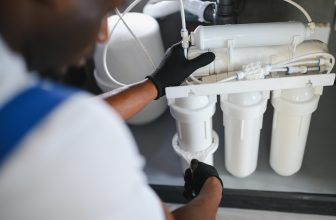
Reverse Osmosis (RO) technology offers one of the most effective ways to purify drinking water in residential settings, capable of removing a vast array of contaminants. However, navigating the options, particularly concerning the number and type of filtration stages, can be confusing for homeowners. Understanding what “filtration” truly entails within an RO system, the specific role of each stage, and how your unique water situation influences requirements is crucial. This report provides a thorough explanation to help homeowners determine the appropriate level of filtration needed—ensuring water is safe and tastes great, without investing in unnecessary complexity or “overkill.”
This article is part of our Complete Guide to Choosing a Home Reverse Osmosis System, a comprehensive resource designed to walk you through every step of the selection process. From understanding system types to evaluating features and matching a system to your household’s unique needs, our guide brings all the essential information together in one place. Click here to explore the full guide.
Decoding RO Filtration: More Than Just the Membrane
When discussing Reverse Osmosis systems, the term “filtration” requires specific clarification. While the RO membrane itself is the heart of the purification process, the overall system relies heavily on supporting filter stages that work in concert with it.
What “Filtration” Means for Your RO System
In the context of RO systems, “filtration” generally refers to the processes occurring before the water reaches the RO membrane (pre-filtration) and after it leaves the membrane (post-filtration). The RO membrane is indeed a filter—an incredibly fine one, capable of removing contaminants at a near-molecular level. However, the common reference to “filtration stages” in a 3-stage, 5-stage, or even 7-stage system typically denotes the sediment and carbon filters, plus any optional additions like UV sterilizers or remineralization cartridges.
It’s essential to view an RO system not just as a membrane, but as a comprehensive, multi-stage water treatment solution. These additional filtration stages are not merely accessories; they play critical roles in preparing the water for the main RO process and refining it afterward for optimal quality and taste.
Why These Filters Are Essential Partners to the RO Membrane
The pre-filters and post-filters serve distinct but vital functions. Pre-filters act primarily as “bodyguards” for the RO membrane. The RO membrane is a sophisticated and relatively delicate component, and its performance and lifespan depend heavily on the quality of the water feeding into it. Pre-filters remove substances that could physically clog the membrane’s microscopic pores or chemically degrade the membrane material itself. Their protective function is paramount for maintaining the system’s efficiency and avoiding premature, costly membrane replacement.
Post-filters, conversely, act as “polishers”. After the water has undergone the intensive purification by the RO membrane and potentially been stored in a tank, post-filters address any lingering aesthetic issues, primarily related to taste and odor. They can also be used to add desirable qualities back into the water, such as beneficial minerals.
Therefore, the filtration stages surrounding the RO membrane are integral to the system’s overall effectiveness and longevity. Neglecting the importance of pre-filtration, for instance, directly jeopardizes the function and lifespan of the RO membrane—the system’s most critical and expensive component. These filters represent an essential investment in the core purification process, not just optional enhancements.
Meet the Filters: Understanding Each Stage’s Job
A typical multi-stage RO system employs several types of filters, each designed to tackle specific types of contaminants or perform particular functions. Understanding the role of each stage is key to selecting an appropriate system.
Pre-Filters: The Bodyguards
These filters treat the water before it reaches the RO membrane, primarily for protection.
Sediment Filter: Catching the Grit
Purpose: This is usually the very first stage water encounters in an RO system. Its job is purely physical: to block and remove larger suspended particles from the water supply. This includes common particulates like sand, silt, dirt, rust flakes from aging pipes, and other visible debris. Sediment filters are typically rated by the size of particles they can capture, measured in microns; a 5-micron rating is common for RO pre-filters.
Importance: The primary function is protection. By removing these larger particles, the sediment filter prevents them from clogging the much finer pores of subsequent filters, especially the RO membrane itself. Critically, it also protects a tiny component called the flow restrictor, which is essential for maintaining the pressure needed for the RO membrane to work efficiently. If the flow restrictor gets clogged with sediment, the entire system’s performance suffers. This filter also helps clear up cloudy or turbid water.
Limitations: Sediment filters only remove suspended particles. They do not remove dissolved chemicals, salts, heavy metals, bacteria, viruses, or improve the water’s taste or smell. They are primarily defensive. Lifespan is typically around 6-12 months, depending on sediment levels.
Carbon Filter(s): Tackling Chemicals, Taste, and Odor
Purpose: Activated carbon filters work through a process called adsorption, where contaminants stick to the vast internal surface area of the carbon material. Some carbon filters also act as catalysts to chemically change certain contaminants. Their main targets are chemical contaminants, particularly chlorine and, with specific types of carbon, chloramine (disinfectants used in municipal water treatment). They are also effective at removing volatile organic compounds (VOCs), pesticides, herbicides, and many substances that cause unpleasant tastes and odors in water.
Importance: Protecting the RO membrane is a crucial function of the carbon pre-filter. Chlorine, commonly used in city water, can chemically attack and degrade certain types of RO membranes (especially Thin Film Composite or TFC membranes), shortening their lifespan and reducing their effectiveness. Carbon filters also significantly improve the water’s aesthetic qualities by removing compounds responsible for bad tastes and smells.
Types: Not all carbon filters are the same:
- Granular Activated Carbon (GAC): Consists of loose granules of carbon. It’s effective for general taste and odor improvement and typically allows for higher water flow rates. However, water can sometimes carve channels through the loose granules (“channeling”), allowing some water to bypass the filtration media, potentially reducing effectiveness. GAC is often used in post-filters for final polishing.
- Carbon Block: Made by compressing activated carbon granules into a solid block. This structure prevents channeling and generally offers more thorough filtration, capable of removing smaller contaminants and even sediment due to its denser form. Carbon block filters are often rated by micron size (e.g., 0.5 to 50 microns). Finer blocks (e.g., 0.5 micron absolute) can even remove protozoan cysts like Giardia and Cryptosporidium. The trade-off can sometimes be a slightly lower flow rate compared to GAC.
- Catalytic Carbon: This is a specially treated activated carbon with enhanced catalytic properties. Its primary advantage is its effectiveness in removing chloramine, a disinfectant made from chlorine and ammonia that is used by some municipalities. Standard carbon filters are much less effective against chloramine. Catalytic carbon is also good at removing hydrogen sulfide (rotten egg smell). If your water supplier uses chloramine, a catalytic carbon filter is often necessary for adequate removal and membrane protection.
Limitations: Carbon filters are not designed to remove dissolved minerals or salts (Total Dissolved Solids – TDS), most heavy metals (like lead, arsenic, fluoride), nitrates, or microbiological contaminants like bacteria and viruses. Their effectiveness relies on sufficient contact time between the water and the carbon media. Like sediment filters, carbon filters need regular replacement, typically every 6 to 12 months, as their adsorption capacity becomes exhausted.
Choosing the Right Carbon: The presence of chloramine in a municipal water supply is a critical factor. Since chloramine can damage RO membranes just as chlorine can, simply having any carbon filter might provide a false sense of security if it’s not the right type. Standard GAC or carbon block filters excel at chlorine removal but struggle with chloramine. Only catalytic carbon reliably removes chloramine. Therefore, checking your local water report or testing specifically for the type of disinfectant used is vital to ensure the carbon pre-filter chosen provides adequate protection for the RO membrane.
The RO Membrane: The Heavy Lifter (Brief Overview)
While this report focuses on the supporting filtration stages, a basic understanding of the RO membrane’s function is necessary for context.
Role: This is the core purification engine of the system. It utilizes a semi-permeable membrane with extremely tiny pores, around 0.0001 microns in size. High pressure is applied to force water molecules through these pores, while larger molecules and ions are rejected and flushed away as wastewater (brine).
What it Removes: The RO membrane is exceptionally effective, typically removing 90-99% of a wide spectrum of contaminants. Key removals include:
- Total Dissolved Solids (TDS), including salts and minerals like calcium and magnesium (which provides a water softening effect).
- Heavy Metals such as lead, arsenic, mercury, chromium, cadmium, copper.
- Fluoride.
- Nitrates and Nitrites.
- PFAS (“Forever Chemicals”).
- Radionuclides (like radium, uranium).
- Microplastics.
- Larger particles like asbestos and protozoan cysts (Cryptosporidium, Giardia).
- Many bacteria and viruses due to their size, although RO is not typically certified or solely relied upon for microbiological purification.
Limitations: The RO membrane does not effectively remove dissolved gases like hydrogen sulfide (rotten egg smell), radon, or carbon dioxide (which can make RO water slightly acidic). Some small VOCs or pesticides might pass through more readily than through a carbon filter. Its performance is influenced by water pressure, temperature, membrane condition, and the concentration of contaminants in the feed water. RO membranes typically need replacement every 2-5 years.
Post-Filters: The Finishing Touches
After the RO membrane, water typically goes to a storage tank and then passes through one or more post-filters on its way to the dedicated RO faucet.
Polishing Carbon Filter
Purpose: This is the most common post-filter, often utilizing Granular Activated Carbon (GAC). Its role is to provide a final “polish” to the water. It primarily removes any residual tastes or odors that might have slipped past the pre-filters and RO membrane, or potentially developed while the water sat in the storage tank.
Importance: Addresses the common perception that highly purified RO water can taste “flat,” “stale,” or slightly “off”. This final carbon stage ensures the water dispensed from the tap tastes fresh, clean, and appealing. It typically requires replacement every 6-12 months.
Optional: Remineralization Filter (Alkaline Filter)
Purpose: Because the RO membrane is so effective at removing dissolved solids, it also removes naturally occurring beneficial minerals like calcium, magnesium, and potassium. A remineralization filter is designed to add controlled amounts of these minerals back into the purified water after the RO stage. This process can also raise the pH of the RO water, which tends to be slightly acidic (due to dissolved CO2 passing through the membrane), making it more neutral or alkaline. These filters often contain media like calcium carbonate, magnesium oxide, or mineral blends like maifan stone or tourmaline.
Benefits: The primary benefit for most users is improved taste. Adding minerals often makes the water taste less “flat” and more like familiar spring or mineral water. Some users also seek potential health benefits associated with consuming minerals or alkaline water, although the contribution from water compared to diet is debated, and most dietary minerals come from food.
Considerations: This is an optional stage that adds to the system’s cost and requires an additional filter cartridge to be replaced, typically every 6 to 12 months. The amount and type of minerals added can vary between different filter brands.
Optional: UV Sterilizer
Purpose: An Ultraviolet (UV) sterilizer uses UV-C light (typically around 254nm wavelength, though variations exist) to disinfect water. It works by damaging the DNA of microorganisms like bacteria, viruses, protozoa (cysts), and molds, rendering them unable to reproduce and cause illness. It effectively inactivates these pathogens.
Benefits: Provides a final, chemical-free barrier against microbiological contamination. This is particularly valuable for water sources with a higher risk of containing pathogens, such as private well water, or for households with immunocompromised individuals who are more susceptible to waterborne illnesses. UV treatment does not alter the taste, odor, or pH of the water.
Limitations: UV light only disinfects; it does not remove sediment, dissolved solids, chemicals, or heavy metals. For UV light to be effective, the water passing through it must be clear, as suspended particles can shield microbes from the UV rays. This makes pre-filtration (like that provided by the preceding RO stages) essential for UV efficacy. UV systems require electricity to operate and the UV lamp needs periodic replacement, usually annually, to maintain its germicidal effectiveness.
Complementary Role: UV sterilization should be viewed as a complementary technology to RO, not a replacement. While the RO membrane’s fine pores physically block many microbes, it’s not typically certified as a sterilizer due to the potential for tiny imperfections, membrane damage, or bacterial growth after the membrane (e.g., in the storage tank or lines). UV addresses this specific limitation by providing a dedicated kill step for any remaining or regrown microbes. It leverages the clarity achieved by the RO system’s pre-filtration and membrane to ensure the UV light can effectively reach and neutralize pathogens, adding a crucial layer of safety where microbiological risk is a concern.
Finding Your “Sweet Spot”: How Many Stages Do You Need?
With an understanding of what each filter stage does, the next question is: how many stages are necessary? The answer depends heavily on your water source, quality, and specific goals.
The Standard Setup (3-4 Stages): Often Enough for Good Municipal Water
Typical Configuration: The most common configurations for basic RO systems involve three or four stages. A typical 3-stage system might include a sediment pre-filter, a carbon pre-filter, and the RO membrane. Alternatively, it might use a combined sediment/carbon pre-filter, the RO membrane, and a carbon post-filter. A standard 4-stage system typically adds a dedicated post-carbon polishing filter after the membrane and storage tank: Sediment Pre-filter -> Carbon Pre-filter -> RO Membrane -> Post-Carbon Filter.
When Sufficient: For many households served by a municipal water supply that consistently meets EPA drinking water standards and doesn’t present specific challenges (like high sediment levels, the use of chloramine disinfectant, or extremely high TDS), a 3 or 4-stage system is often perfectly adequate. These systems provide the core benefits of RO: significant reduction of dissolved contaminants by the membrane and removal of chlorine taste and odor by the carbon filter(s). The optional 4th stage (post-carbon) primarily enhances the final taste.
Benefits: Compared to systems with more stages, these standard configurations generally offer a lower initial purchase price. They also have fewer filter cartridges to replace, translating to lower ongoing maintenance costs and simpler upkeep. Additionally, they tend to have a smaller physical footprint, making them easier to fit under a sink or in limited spaces.
Stepping Up (5+ Stages): When It Makes Sense
While a 3 or 4-stage system is often sufficient, there are specific scenarios where investing in a system with 5, 6, or even 7 stages is beneficial or necessary. These systems typically add components like a second carbon filter (either pre- or post-membrane), a remineralization filter, or a UV sterilizer. A common 5-stage configuration adds a second carbon pre-filter before the membrane and retains the post-carbon filter.
Scenario 1: Well Water Sources
Why More Stages Needed: Unlike municipal water, private well water is not treated or regulated by government authorities. It draws directly from underground aquifers and can be susceptible to a wider range of issues. Well water often contains higher levels of sediment, minerals (causing hardness), iron, manganese, and potentially harmful contaminants like nitrates, arsenic, or pesticides depending on the local environment. Crucially, well water carries a higher risk of microbiological contamination from bacteria, viruses, or cysts, as it lacks municipal disinfection.
Recommended Stages: Due to these potential challenges, well water typically requires more comprehensive filtration than standard municipal water. More robust pre-filtration, potentially involving multiple sediment or carbon stages, might be needed to handle higher contaminant loads and protect the RO membrane. Given the risk of microbial contamination, adding a UV sterilizer as a final stage is strongly recommended for ensuring microbiological safety. Depending on the mineral content removed, remineralization might also be considered for taste.
Scenario 2: Targeting Specific Contaminants
Chloramine: As previously discussed, if your municipal water supplier uses chloramine instead of chlorine as a disinfectant (check your local water quality report), a standard carbon filter won’t suffice. You will need an RO system that incorporates a Catalytic Carbon filter stage, which usually means opting for a 4- or 5-stage system specifically designed for chloramine removal.
High Sediment/TDS: Water sources with unusually high levels of sand, silt, or rust might benefit from an additional sediment pre-filter stage (making it a 5+ stage system) to prevent premature clogging of subsequent filters. While RO is excellent at reducing high Total Dissolved Solids (TDS), extremely high levels might impact membrane life and system efficiency; remineralization could be considered if the resulting water tastes too flat.
Specific Heavy Metals/Chemicals: While the RO membrane effectively reduces many heavy metals and chemicals, if water testing reveals particularly high concentrations of a specific concerning contaminant (e.g., arsenic, lead, fluoride, certain VOCs), choosing a system that is certified by a third-party organization like NSF International (specifically under NSF/ANSI Standard 58) for reducing that particular substance provides an extra layer of assurance. Some manufacturers might also offer specialized filter cartridges designed to target specific problem contaminants.
Scenario 3: Addressing Health Concerns
Immunocompromised Individuals: People with significantly weakened immune systems (e.g., transplant recipients, those undergoing chemotherapy, individuals with certain chronic illnesses) are more vulnerable to infections from waterborne pathogens like bacteria, viruses, and parasites (e.g., Cryptosporidium). While RO systems provide a high level of filtration, the addition of a UV sterilizer offers the most robust protection against these microorganisms and is often recommended for this population. EPA and CDC guidance historically advises caution for severely immunocompromised individuals regarding tap water, suggesting boiling or using filters certified for cyst removal or employing reverse osmosis.
Families with Young Children: Concerns about contaminants known to affect child development, such as lead (impacts brain development), fluoride (potential neurodevelopmental effects at excessive levels), or nitrates (can cause “blue baby syndrome”), may lead parents to opt for a high-quality RO system certified for reducing these specific contaminants.
Scenario 4: Improving Taste and Adding Minerals
Why: The very efficiency of RO in removing dissolved solids means it also removes minerals that contribute to water’s taste. This can result in water that tastes “flat,” “empty,” or slightly acidic compared to tap or bottled mineral water.
Solution: If the taste of standard RO water is unappealing, adding a Remineralization or Alkaline filter stage (making it a 5+ stage system) is the solution. This stage reintroduces desirable minerals like calcium and magnesium, which can improve taste and raise the water’s pH.
Ultimately, the decision to choose a system with more than the standard 3 or 4 stages should be driven by specific, identified needs rather than a general belief that “more is always better.” These needs typically fall into categories like dealing with challenging untreated water (wells), targeting known difficult contaminants (like chloramine), taking extra precautions for health reasons, or deliberately enhancing the water’s final taste and mineral profile. Without these specific drivers, the additional stages primarily add cost and maintenance complexity.
Don’t Guess, Test! Why Water Analysis is Non-Negotiable
Choosing the right number and type of filtration stages for an RO system should not be based on guesswork or marketing claims. The single most important step in making an informed decision is to understand the specific quality of your incoming water.
The Starting Point: Know Your Water
Before selecting any water treatment system, obtaining a water quality analysis is crucial. This provides the necessary data to identify potential problems and match them with the appropriate filtration solutions. Assuming your water is “fine” or relying solely on a neighbor’s experience can lead to choosing an inadequate or unnecessarily complex system.
Municipal Water vs. Well Water Testing
The approach to understanding water quality differs based on the source:
Municipal Water: If your water comes from a public utility, start by obtaining their annual Consumer Confidence Report (CCR), often available on the utility’s website. This report details detected regulated contaminants, their levels relative to EPA standards, and the disinfectants used (e.g., chlorine or chloramine). While CCRs are valuable, they typically report averages across the system and may not reflect issues originating within your home’s plumbing, such as lead leaching from older pipes or fixtures. For specific concerns like lead, or if the CCR indicates borderline levels of other contaminants, supplemental testing of water from your own tap is advisable.
Well Water: Homeowners relying on private wells bear the full responsibility for water quality testing and treatment. Well water is not subject to EPA regulations like public supplies, and its quality can fluctuate due to environmental factors. Comprehensive testing by a state-certified independent laboratory is essential. Testing should ideally occur at least annually and cover parameters like:
- Bacteria (total coliform and E. coli)
- Nitrates/Nitrites
- Total Dissolved Solids (TDS)
- pH
- Hardness (calcium, magnesium)
- Iron and Manganese
- Heavy metals (especially arsenic and lead)
- Any contaminants common in your specific geographic area (e.g., pesticides in agricultural regions).
Matching Filtration Stages to Your Specific Water Profile
Water test results are the key to tailoring your RO system’s filtration stages effectively:
High Sediment: Indicates a need for a reliable sediment pre-filter. Very high levels might warrant considering a system with dual sediment filters or a more robust single filter.
Chlorine Present: A standard carbon pre-filter (block or GAC) is necessary to remove chlorine and protect the RO membrane.
Chloramine Present: Requires a system specifically equipped with a Catalytic Carbon pre-filter stage.
Bacteria/Virus Risk (Especially Wells): Strongly indicates the need for a UV sterilizer as a final post-filtration stage for microbiological safety.
High TDS / Specific Metals / Fluoride / Nitrates: Confirms the need for the RO membrane itself. Ensure the chosen system is rated (and preferably certified) for effective reduction of any specific contaminants present at concerning levels.
Undesirable Taste/Odor (Post-RO): Suggests considering a system with a post-carbon polishing filter (standard on most 4+ stage systems) or adding a remineralization filter if the “flat” taste of pure water is the issue.
Quick Reference: Common RO Filter Stages and Their Targets
The following table summarizes the primary function and key targets of common filtration stages found in residential RO systems:
| Filter Stage | Primary Function | Key Targets / Removals | Typical Effectiveness / Notes |
|---|---|---|---|
| Sediment Pre-Filter | Physical Barrier | Sand, silt, dirt, rust, large particles, turbidity | Protects subsequent filters/membrane. Does not remove dissolved contaminants or improve taste/odor. Usually 5 microns. |
| Standard Carbon Pre-Filter (Block/GAC) | Adsorption / Chemical Reduction | Chlorine, VOCs, pesticides, herbicides, bad taste & odor | Protects RO membrane from chlorine. Less effective on chloramine, dissolved minerals, metals, microbes. Block generally better than GAC. |
| Catalytic Carbon Pre-Filter | Enhanced Adsorption / Catalysis | Chloramine, Chlorine, Hydrogen Sulfide, VOCs, taste & odor | Necessary if water contains chloramine. Protects RO membrane. |
| Reverse Osmosis (RO) Membrane | Fine Membrane Separation | TDS (90-99%), Heavy Metals (Lead, Arsenic, etc. >95%), Salts, Minerals, Fluoride (85-92%+), Nitrates, PFAS, Cysts, Radionuclides | Core purification. Less effective on dissolved gases, some small organics. Not certified for microbial removal. |
| Polishing Carbon Post-Filter (GAC/Block) | Final Taste/Odor Removal | Residual taste/odor from membrane or tank | Improves aesthetic quality of final drinking water. |
| Remineralization / Alkaline Post-Filter | Mineral Addition / pH Adjustment | Adds Calcium, Magnesium, Potassium, etc. | Improves taste for many users, makes water less acidic/more alkaline. Optional based on preference. |
| UV Sterilizer Post-Filter | Microbial Inactivation | Bacteria, Viruses, Cysts, Molds | Provides microbiological safety net. Requires clear water (pre-filtered) and electricity. Does not remove other contaminants. |
The “More is Better” Myth: Avoiding Filtration Overkill
In the world of water filtration, it’s easy to assume that a system with more stages must inherently be superior. Marketing often reinforces this idea. However, when it comes to RO systems, simply maximizing the number of filtration stages is not always the best approach and can lead to unnecessary expense and complexity.
Questioning the Hype
Be critical of claims suggesting that a 7-stage system is automatically better than a 5-stage, or a 5-stage better than a 4-stage, without specific justification based on water quality needs. The effectiveness of an RO system hinges more on the quality and appropriateness of its components—especially the pre-filters and the RO membrane itself—than on the sheer number of stages.
The Law of Diminishing Returns
The core workhorse stages of an RO system are typically the sediment pre-filter, the carbon pre-filter, and the RO membrane. These provide the bulk of the contaminant removal. Additional stages offer targeted benefits. For example:
- Adding a second standard carbon filter might offer marginal improvement if the first carbon filter is already effectively removing chlorine and improving taste/odor in relatively clean municipal water.
- Adding a UV filter provides no benefit if your water source is already microbiologically safe (like properly treated city water) and you don’t have specific health vulnerabilities.
- Adding a remineralization filter only adds value if you prefer the taste of mineralized water or desire a higher pH.
If the additional stages don’t address a specific problem identified in your water test or align with a particular goal (like remineralization), you may be paying for filtration you don’t truly need.
The Downsides of Excess Stages
Opting for more stages than necessary comes with tangible drawbacks:
- Increased Cost: Systems with more stages generally have a higher purchase price. More importantly, ongoing costs increase because there are more filter cartridges to replace regularly.
- Increased Maintenance: Replacing multiple filters is more complex and time-consuming than replacing fewer filters. Each additional filter housing and connection point is also a potential, albeit small, risk for leaks over time.
- Space Requirements: More stages typically mean a larger, bulkier system, which can be a significant issue for installation in tight under-sink cabinets.
- Potential Pressure Drop: While usually minor in residential systems, each filter cartridge introduces some resistance to water flow. Adding unnecessary filters could slightly reduce the final water pressure at the RO faucet.
- Mineral Removal: Adding extra filtration stages (like more carbon) does nothing to counteract the mineral removal performed by the RO membrane. Only a dedicated remineralization stage addresses this aspect, which some perceive as a drawback of RO.
Focus on Effective, Targeted Filtration
The goal should be to select a system with the right stages for your specific water quality and goals, not necessarily the most stages. A well-designed 4-stage system using high-quality components and appropriate filter types (e.g., catalytic carbon if needed) can outperform a poorly designed 6-stage system using generic filters. Prioritize quality and suitability over quantity. The optimal number of stages is relative to the input water quality and desired output, making “over-filtration” an inefficient choice in terms of cost, maintenance, and space without providing proportional benefits for many users.
Choosing Wisely: A Practical Selection Guide
Selecting the right RO system involves balancing several factors to find the configuration that best meets your needs without unnecessary excess.
Key Factors to Balance
Consider these elements together when making your choice:
Water Test Results: This is the foundation. What specific contaminants are present and at what levels? This dictates the necessary filtration stages.
Water Quality Goals: Are you aiming for basic contaminant removal, enhanced taste/pH through remineralization, or the highest level of microbial safety (requiring UV)?
Budget (Initial & Ongoing): Factor in the upfront cost of the system and, critically, the recurring cost of replacement filters. Filter costs vary widely, with proprietary “quick-change” cartridges often being more expensive than standard-sized filters. Annual operating costs, including filters, can be around $100-$400 depending on the system and usage.
Maintenance Willingness & Schedule: How comfortable are you with performing filter changes? More stages mean more frequent and potentially complex maintenance. Typical replacement intervals are:
- Sediment/Carbon Pre-filters & Post-Carbon Filters: 6-12 months.
- RO Membrane: 2-5 years.
- Remineralization Filter: 6-12 months.
- UV Lamp: Annually.
Space & System Type: Measure your available under-sink space before choosing. Systems with more stages or large tanks require more room. Tankless RO systems are an option for tight spaces but often use integrated, potentially proprietary, filter cartridges. Also, ensure your home’s water pressure is adequate for RO operation (typically 40-80 psi, ideally 60 psi or higher). Low pressure may necessitate a booster pump, adding cost and complexity.
Prioritizing Optional Features (UV, Remineralization)
Evaluate optional stages like UV and remineralization based on specific needs:
UV Sterilizer: Primarily justified if dealing with untreated water (wells) or if household members are immunocompromised and require maximum protection against waterborne pathogens. It adds cost (system, electricity, annual lamp replacement) and complexity.
Remineralization: Largely a matter of taste preference. If you dislike the taste of highly purified water or prefer alkaline water, this stage is worth considering. It adds cost and another filter to replace periodically.
The Importance of Certification (NSF/ANSI 58)
When comparing RO systems, look for third-party certifications, particularly NSF/ANSI Standard 58.
What it Means: This standard sets minimum requirements for residential point-of-use RO systems. Certification to NSF/ANSI 58 verifies several critical aspects:
- Material Safety: Ensures materials in contact with water won’t leach harmful substances.
- Structural Integrity: Confirms the system can withstand typical household water pressure without leaking.
- Contaminant Reduction Performance: Independently verifies the manufacturer’s claims for reducing Total Dissolved Solids (TDS) and specific health-related contaminants like lead, arsenic V, cysts (Cryptosporidium), fluoride, nitrates/nitrites, hexavalent chromium, barium, cadmium, copper, etc.
Why it Matters: Certification provides objective assurance that the system performs as advertised, effectively reducing contaminants crucial for health protection. This moves beyond marketing claims to independently validated results. Note that certification is typically contaminant-specific; check the product’s Performance Data Sheet to see exactly which contaminants it’s certified to reduce under NSF/ANSI 58. Be aware that claims like “tested to NSF standards” are not equivalent to being formally certified by NSF. Relying on certified performance is particularly important for contaminants that are tasteless, odorless, and pose significant health risks.
Other Relevant Standards: Depending on the system and its claims, you might also see certifications to:
- NSF/ANSI 42: Aesthetic Effects (chlorine taste/odor, particulates).
- NSF/ANSI 53: Health Effects (specific regulated contaminants like lead, mercury, VOCs, cysts).
- NSF/ANSI 401: Emerging Contaminants/Incidental Compounds (some pharmaceuticals, pesticides, herbicides, personal care products).
- NSF/ANSI 55: Ultraviolet Microbiological Water Treatment Systems (for systems including UV).
Quick Guide: Matching Filtration Level to Your Situation
To simplify the decision process, consider these key questions:
What is your water source?
- Municipal (City) Water: Proceed to question 2.
- Private Well Water: Comprehensive water testing by a certified lab is essential. Due to higher potential for sediment, minerals, and microbes, a system with 5 or more stages, including robust sediment/carbon pre-filtration and a UV sterilizer, is strongly recommended. Consider remineralization based on taste preference after testing.
(Municipal Water) Does your water report indicate Chloramine disinfectant?
- Yes: You need a system with a Catalytic Carbon pre-filter (likely 4 or 5 stages).
- No (Uses Chlorine): A standard carbon pre-filter is sufficient. Proceed to question 3.
(Municipal Water) Do you have specific concerns based on testing or reports (e.g., high sediment, known lead issues, borderline contaminants)?
- Yes: Choose a system with appropriate stages (e.g., extra sediment filter for high sediment) and look for NSF/ANSI 58 certification for the specific contaminants of concern. This might lead to a 4 or 5-stage system.
- No: A standard 3 or 4-stage system (Sediment, Carbon, RO Membrane, +/- Post-Carbon) is likely sufficient for general purification and taste improvement.
Are there immunocompromised individuals in the household?
- Yes: Adding a UV sterilizer stage (resulting in a 5+ stage system) is highly recommended for maximum microbiological safety, regardless of water source.
- No: UV is generally optional for treated municipal water.
Is the taste of standard RO water (very pure, potentially slightly acidic) a concern?
- Yes: Choose a system that includes a Remineralization/Alkaline filter stage (typically 5+ stages).
- No: Remineralization is optional.
What is your budget and tolerance for maintenance?
- Lower Budget / Prefer Simpler Maintenance: Favor systems with fewer stages (3-4) and standard (non-proprietary) filters.
- Higher Budget / Willing to Maintain More Stages: Allows for consideration of 5+ stage systems with specialized filters (Catalytic Carbon, UV, Remineralization) if needed based on answers above.
This sequence helps prioritize filtration needs based on risk and preference, guiding towards an appropriate number of stages.
Final Considerations: Balancing Performance, Cost, and Practicality
Choosing the right level of filtration for your RO system involves balancing the goal of clean, safe water with practical considerations like cost, maintenance, and space.
Recap of Key Principles
- Filtration is Teamwork: Pre- and post-filters are essential partners to the RO membrane, protecting it and polishing the final product.
- Stages Have Specific Jobs: Understand what each filter type (sediment, carbon, UV, remineralizer) does and doesn’t do.
- Testing is Paramount: Base your filtration choices on actual water quality data, not assumptions.
- More Isn’t Always Better: Avoid adding stages unless they address a specific, identified need revealed by testing or driven by health precautions or taste preferences. Over-filtration adds cost and complexity without proportional benefit for many users.
- Certification Matters: Look for NSF/ANSI 58 certification as verification of performance for reducing health-related contaminants.
Final Tips for Selection
- Prioritize Needs: Focus first on addressing any known health contaminants (lead, arsenic, bacteria in well water, nitrates) or major aesthetic issues (chlorine/chloramine taste/odor, high sediment) identified through testing.
- Verify Performance: Rely on NSF/ANSI 58 certification for claims related to reducing specific health contaminants. Check the Performance Data Sheet.
- Consider Long-Term Costs: Research the price and availability of replacement filters for any system you consider. Standard-sized filters are often cheaper and easier to find than proprietary cartridges. Factor these costs into your overall budget.
- Evaluate Maintenance Ease: Consider systems with user-friendly filter change mechanisms if maintenance convenience is important. Understand the replacement schedule for all components.
- Ensure Proper Installation & Upkeep: Correct installation is vital for performance. Follow the manufacturer’s maintenance schedule diligently to ensure the system continues to operate effectively and safely throughout its lifespan.
- Choose Reputable Brands: Opt for established brands known for quality components, good customer support, and clear warranties.
By carefully considering your water quality, health needs, budget, and practical constraints, you can select an RO system with the right level of filtration to provide safe, great-tasting water for your home efficiently and effectively.