Unlocking Pure Water at Home with Reverse Osmosis
Reverse Osmosis (RO) stands as a highly effective and popular water purification technology available for home use. Its capability to remove a vast array of contaminants, often up to 99% or even 99.99% of specific impurities, results in water that is significantly cleaner and often tastes better compared to standard tap water. For homeowners and renters seeking to improve the quality of their drinking and cooking water, understanding RO technology is increasingly important. The benefits extend beyond just taste; purified water contributes to overall health by reducing exposure to potentially harmful substances, and using an RO system can significantly diminish reliance on single-use plastic water bottles, offering a more sustainable hydration solution.
This article is part of our Complete Guide to Choosing a Home Reverse Osmosis System, a comprehensive resource designed to walk you through every step of the selection process. From understanding system types to evaluating features and matching a system to your household’s unique needs, our guide brings all the essential information together in one place. Click here to explore the full guide.
This article serves as a comprehensive guide to residential RO systems. It begins by demystifying the science behind reverse osmosis, explaining how it works in simple terms. Subsequently, it delves into the specifics of the four primary types of RO systems designed for home use: Under-sink, Tankless, Countertop, and Whole House. Each type will be examined in detail, covering its structure, function, advantages, and disadvantages. Practical considerations such as installation, maintenance, performance metrics, potential drawbacks, environmental impact, and cost will be thoroughly discussed. Finally, the article will provide comparative analysis and tailored guidance to help individuals choose the system that best aligns with their specific needs, budget, and living situation, empowering them to make a confident and informed decision about their home water quality.
How Reverse Osmosis Works: A Brief Overview
Reverse Osmosis (RO) is a water purification process that uses pressure to separate contaminants from water. It works by forcing tap water against a special, very fine barrier called a semi-permeable membrane. This applied pressure needs to be stronger than the natural osmotic pressure that normally draws water towards more concentrated solutions.
The semi-permeable membrane acts like a highly selective filter, containing microscopic pores (around 0.0001 microns) that allow water molecules (H2O) to pass through but block larger molecules, dissolved salts, heavy metals, minerals, bacteria, and other impurities. The purified water (permeate) is collected, while the contaminants (concentrate or brine) are unable to pass through the membrane and are flushed away down the drain.
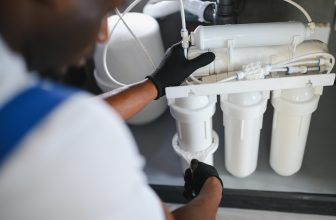
To function effectively and protect the delicate RO membrane, home RO systems typically include several components. These usually involve pre-filters, such as sediment filters to remove larger particles like dirt and rust, and carbon filters to remove chlorine and chemicals affecting taste and odor. After the water passes through the RO membrane, it often goes through a post-filter (usually carbon) to “polish” the water, removing any remaining tastes or odors before it reaches the faucet. This multi-stage process makes RO highly effective, capable of removing up to 99% or more of many common water contaminants, resulting in exceptionally clean drinking water.
Exploring Your Options: Types of Home RO Systems
While the fundamental reverse osmosis process remains the same, home RO systems are packaged in four distinct configurations, each catering to different needs, installation scenarios, and budgets. The main types are Under-sink, Tankless (a variation of under-sink), Countertop, and Whole House systems. Understanding the characteristics of each type is key to selecting the most suitable option.
1. Under-Sink RO Systems: The Popular Choice
This is the most common type of residential RO system.
Structure & Function: As the name implies, these systems are installed in the cabinet beneath the kitchen sink. They connect directly to the cold water supply line for source water and to the drain pipe for discharging wastewater. Purified water is delivered through a dedicated faucet typically mounted alongside the main kitchen faucet. The traditional configuration includes a storage tank that holds several gallons of purified water, ensuring it’s readily available on demand. The system generally comprises the standard components discussed earlier: pre-filters (sediment, carbon), the RO membrane, a post-filter (carbon), the storage tank, an automatic shut-off valve, check valve, flow restrictor, drain connection, and the dedicated faucet.
Typical Setup: Installation involves placing the filter assembly and storage tank within the under-sink cabinet. This requires sufficient space, as tanks can be roughly 15 inches tall and 12 inches wide, although some can be positioned horizontally if needed. Plumbing connections involve tapping into the cold water angle stop valve and the sink’s drain pipe, usually with provided fittings like feed water adapters and drain saddle valves. Drilling a hole in the countertop or sink ledge may be necessary for the dedicated RO faucet.
Pros: The primary advantage is that the system is hidden, keeping countertops clear. It provides convenient, on-demand access to high-purity water directly at the sink. These systems offer highly effective filtration and are often more cost-effective initially compared to tankless or whole house options. The storage tank ensures water is available even if the main water supply is temporarily interrupted. A wide variety of models, brands, and price points are available. Many systems can be easily connected to supply purified water to refrigerators and ice makers.
Cons: The system requires dedicated space under the sink, which can be a challenge in small cabinets, especially with the tank. Installation is more complex than countertop models and may require basic plumbing skills or professional assistance. The storage tank itself occupies significant space. While generally safe, some users express concern about water sitting in the tank, potentially affecting taste or, if maintenance is neglected, allowing bacterial growth. The flow rate from the dedicated faucet might be slower than the main tap, particularly when filling large containers, although systems with higher Gallon Per Day (GPD) ratings or larger tubing can mitigate this. Like all RO systems, they produce wastewater that goes down the drain.
2. Tankless RO Systems: Modern, On-Demand Filtration
Tankless RO represents a newer generation of under-sink systems, designed to address some limitations of traditional tanked models.
Structure & Function: These systems are also typically installed under the sink but are distinguished by the absence of a storage tank. Instead of storing purified water, they filter it directly on demand as the faucet is opened. This is achieved through the use of high-performance membranes and integrated electric pumps that generate the necessary pressure and flow rate instantly. They still incorporate pre-filters, the RO membrane, and often post-filters, but the purified water travels directly from the final filter stage to the dedicated faucet.
How They Differ: The lack of a storage tank is the defining feature. This necessitates an electrical connection to power the internal pump. Tankless systems often feature a more compact, integrated design, sometimes housed in a single sleek unit. Many models incorporate modern conveniences like digital displays on the faucet showing filter life status or real-time water quality (TDS levels).
Benefits: The most significant advantage is the space saved under the sink due to the elimination of the bulky tank. They provide a continuous supply of freshly filtered water whenever needed, eliminating concerns about water stagnating in a tank and potentially offering a fresher taste. Many manufacturers claim improved water efficiency, producing less wastewater compared to older tank-based designs. The flow rate from the faucet can be significantly faster than many tanked systems, capable of filling a glass in seconds. Their modern, compact appearance appeals to users seeking a streamlined look.
Limitations: Tankless systems require an electrical outlet under the sink, which may not always be available. They generally have a higher initial purchase price compared to traditional tanked systems. Because they rely on electricity, they will not function during a power outage. The internal pump generates some noise while the system is operating. Some users report “TDS creep,” where the TDS level of the water dispensed in the first few seconds after a period of non-use might be slightly higher than during continuous flow. Many tankless models utilize proprietary filter cartridges, which can be more expensive and limit replacement options compared to standard-sized filters. The system’s performance, particularly flow rate, is dependent on the internal pump.
The choice between a traditional tanked under-sink system and a modern tankless one involves clear trade-offs. Tanked systems offer operational simplicity (no electronics or pumps needed) and provide stored water access during power outages, but they consume considerable under-sink space and raise potential concerns about water storage. Tankless systems excel in saving space, delivering potentially fresher water on demand, and offering higher flow rates, but they introduce complexity with pumps and electronics, require power, typically cost more upfront, can generate noise, may exhibit TDS creep, and often rely on expensive proprietary filters. Ultimately, the decision rests on individual priorities: whether space savings, on-demand freshness, and potentially faster flow (favoring tankless) outweigh considerations of cost, simplicity, and non-electric operation (favoring tanked). Neither design is universally superior; they cater to different user preferences, budgets, and installation environments.
3. Countertop RO Systems: Portable Purity for Any Space
Countertop RO systems offer a distinct approach, focusing on ease of use and portability.
Structure & Function: These are self-contained appliances designed to sit directly on the kitchen counter. Most models do not require any connection to the home’s plumbing. Instead, the user manually fills a feed water reservoir with tap water. The unit then processes this water through its internal filtration stages (typically including pre-filters, an RO membrane, and a post-filter) and dispenses the purified water into a separate clean water container or directly from a spout. An electrical outlet is usually required to power the internal pump and controls. Some advanced countertop models may offer features like instant hot water dispensing or alkalinity enhancement.
When They’re Useful: Countertop units are an excellent solution for individuals who cannot or prefer not to modify their plumbing, such as renters. They are also well-suited for small living spaces like apartments, dorm rooms, or RVs where under-sink space is limited or installation is impractical. Their portability makes them convenient for moving or using in different locations. They appeal to users seeking the simplest possible setup process.
Installation Ease & Portability: The standout advantage is the minimal installation effort. Most units simply need to be unpacked, plugged in, and filled with water. This “plug-and-play” nature makes them highly accessible. Their self-contained design also makes them easy to move if needed.
Pros: Extremely simple setup with no plumbing modifications required. Highly portable design. Ideal for renters, small apartments, dorms, and RVs. Maintenance is typically straightforward, with easily accessible filters. Delivers the high purification level characteristic of RO technology. Some models include value-added features like hot water or pH adjustment.
Cons: These units consume valuable counter space, which can be a significant drawback in smaller kitchens. Their water production capacity and dispensing speed are generally lower than under-sink systems. Most require manual filling of the feed water tank and periodic emptying of the collected wastewater (concentrate), adding a layer of user interaction. An electrical outlet is necessary for operation. Countertop models can be relatively expensive considering their capacity, and filter options might be more limited or proprietary compared to standard under-sink systems.
Countertop RO systems clearly prioritize convenience and accessibility above all else. Their defining characteristic is the elimination of plumbing installation hassles, combined with portability. This directly caters to the needs of renters or individuals uncomfortable with DIY plumbing projects. While offering the benefits of RO purification, users accept trade-offs in terms of counter space usage, potentially lower capacity, and the need for manual operation (filling/emptying) in exchange for this simplicity.
4. Whole House RO Systems: Comprehensive but Complex
Whole House RO systems represent the most comprehensive, but also the most demanding, type of residential RO installation.
Scope & Size: Unlike the previous types which are Point-of-Use (POU) systems treating water at a single tap, Whole House RO is a Point-of-Entry (POE) system. It is installed where the main water line enters the home, treating all the water distributed throughout the house – for showers, laundry, toilets, sinks, and appliances. These systems are substantially larger and more complex than POU units. They typically involve large-capacity RO membranes, powerful high-pressure pumps, extensive pre-treatment stages (like large sediment filters, carbon tanks, or water softeners), and often large storage tanks for the treated water.
Costs & Complexity: Whole House RO systems come with a very high initial price tag. Installation is complex, invariably requiring professional plumbers and potentially electricians, involving significant modifications to the home’s main water line. They demand considerable physical space, usually in a basement, garage, or utility room. Operating costs are also high due to the energy consumed by large pumps and the expense of replacing large-format filters and membranes. Furthermore, they generate a substantial amount of wastewater, significantly impacting water consumption and utility bills.
Appropriate Use Cases: It is crucial to understand that Whole House RO is generally not recommended or necessary for homes connected to municipal water supplies that meet regulatory standards. The primary application for Whole House RO is typically for properties with private well water that suffers from specific, difficult-to-remove contaminants affecting the entire water supply, such as extremely high levels of Total Dissolved Solids (TDS) or salinity, nitrates, arsenic, sulfates, or hardness that cannot be adequately addressed by other POE treatment methods. Even in such cases, a combination of targeted POE filters (e.g., a water softener for hardness, an iron filter for iron) coupled with a POU RO system for drinking and cooking water is often a more practical and cost-effective approach.
Pros: Provides highly purified RO water to every single faucet and water-using appliance in the home. Can protect plumbing infrastructure and appliances from scale buildup and damage caused by contaminants removed by the RO process. Offers the most comprehensive level of water purification available for an entire residence.
Cons: Extremely high initial cost for equipment and professional installation. Requires a significant amount of dedicated space. Complex system requiring specialized maintenance. High ongoing operational costs due to electricity consumption and expensive replacement filters/membranes. Generates very large volumes of wastewater, leading to high water bills and environmental concerns. Can cause a significant drop in household water pressure, often necessitating additional booster pumps. Widely considered excessive and impractical for the vast majority of residential situations, particularly those on municipal water.
The specialized nature of Whole House RO cannot be overstated. Its application is typically reserved for addressing specific, severe water quality challenges, usually associated with problematic well water, where other treatment methods are insufficient. The scale, complexity, cost (both initial and ongoing), and significant wastewater production make it an impractical choice for simply improving the taste or quality of municipally treated drinking water. Consumers considering Whole House RO should proceed with caution, ensuring they have comprehensive, independent water testing results and a clear understanding of whether such a substantial investment is truly necessary compared to alternative solutions. It is a targeted solution for specific problems, not a general home upgrade.
Head-to-Head: Comparing RO System Types
With a clear understanding of each system type, comparing them directly across key factors can help clarify the trade-offs and guide the selection process.
Key Differences at a Glance (Comparison Table)
The following table summarizes the main characteristics and differences between the four types of home RO systems, providing a quick reference for comparison:
Comparative Overview of Home Reverse Osmosis System Types
| Feature | Under-Sink (Tank) | Under-Sink (Tankless) | Countertop | Whole House |
|---|---|---|---|---|
| Typical Location | Under kitchen sink | Under kitchen sink | Kitchen counter | Main water line entry (basement, garage) |
| Installation Complexity | Moderate (DIY possible, plumber optional) | Moderate (DIY possible, plumber optional, needs power) | Very Easy (Plug-and-play) | Very High (Professional required) |
| Space Requirements | Moderate (Filters + Tank) | Low-Moderate (Compact unit, no tank) | Moderate (Counter space) | Very High (Large equipment, tanks) |
| Initial Cost Range | $150 – $600+ | $300 – $1000+ | $300 – $500+ | $5,000 – $15,000+ |
| Ongoing Costs | Moderate (Filters, water waste) | Moderate-High (Filters, electricity, water waste) | Moderate (Filters, electricity, manual refills) | Very High (Filters, membrane, electricity, water waste) |
| Water Production (GPD) | 50 – 100+ GPD | 400 – 800+ GPD | Lower (Variable, often batch process) | 300 – 4000+ GPD |
| Flow Rate (at faucet) | Moderate (Tank pressure dependent) | High (Pump dependent) | Low-Moderate (Dispenser dependent) | Affects entire house pressure (potentially lower) |
| Water Waste Ratio | Variable (Older 3:1+, Newer < 2:1) | Often Efficient (e.g., 1:1 or 1.5:1) | Variable (Often requires emptying waste container) | High volume of wastewater generated |
| Portability | No | No | Yes | No |
| Power Requirement | No (unless optional pump added) | Yes | Yes | Yes (for pumps, controls) |
| Typical Filtration Stages | 3-6+ (Pre-filters, Membrane, Post-filter, Optional) | 3-8+ (Pre-filters, Membrane, Post-filter, Optional) | 3-5+ (Integrated filters, Membrane) | Extensive (Pre-treatment, Membrane, Post-treatment) |
| Common Pros | Hidden, Reliable, Cost-effective, No power needed | Space-saving, Fast flow, Fresh water, Modern features | Easy setup, Portable, Good for renters, No plumbing | Treats all home water, Highest purity everywhere |
| Common Cons | Takes space, Slower refill, Tank concerns | Higher cost, Needs power, Pump noise, Proprietary filters | Uses counter space, Lower capacity, Manual effort | Very expensive, Complex install, High waste, Overkill mostly |
| Best Suited For | Homeowners, Families, Budget-conscious | Homeowners wanting space/speed, Tech adopters | Renters, Small spaces, RVs, Easy setup seekers | Specific severe well water issues (rarely needed) |
This table serves as a valuable tool by distilling extensive information into a structured format. It allows for quick side-by-side comparisons across consistent criteria, highlighting the essential trade-offs (like cost versus convenience, or space versus capacity) that a non-technical user needs to evaluate. This facilitates the process of eliminating unsuitable options and focusing on the system types that best align with personal priorities regarding budget, living situation, installation capabilities, and water needs.
Decoding Performance: GPD, Flow Rate, and Efficiency
Understanding the performance metrics associated with RO systems is crucial for selecting one that meets household demands.
GPD (Gallons Per Day): This figure represents the maximum amount of purified water a system is rated to produce within a 24-hour period, assuming ideal operating conditions (water pressure, temperature). For traditional under-sink systems with tanks, common ratings range from 50 GPD to 100 GPD or slightly more. Tankless under-sink systems typically boast much higher GPD ratings, often 400 GPD, 600 GPD, 800 GPD, or even higher, reflecting their ability to produce water rapidly on demand. Whole house systems, designed to treat all household water, have significantly higher capacities, ranging from several hundred to thousands of GPD. While a higher GPD rating indicates greater production capacity, for tanked systems, it primarily influences how quickly the storage tank refills after being depleted. For tankless systems, it relates more directly to the potential sustained flow rate.
Flow Rate: This refers to how quickly the purified water actually dispenses from the dedicated RO faucet. For tanked systems, the initial flow rate is usually decent, driven by the pressure within the storage tank. However, if large amounts of water are drawn continuously, the flow can slow down as the tank empties and the system struggles to keep up. Tankless systems rely on their internal pumps to generate flow; newer models are engineered for high flow rates, often advertised as filling a glass or pitcher very quickly. A slow flow rate can be a point of frustration, especially when filling large pots or water bottles. Some manufacturers offer “Fast Flow” kits or use larger diameter tubing and fittings to improve the delivery speed from the tank or membrane to the faucet.
Efficiency (Water Waste Ratio): Reverse osmosis inherently involves separating pure water (permeate) from a stream of concentrated contaminants (reject or wastewater) that is flushed to the drain. The efficiency ratio describes how much water is sent to the drain for every gallon of purified water produced. Historically, RO systems were often quite inefficient, wasting 3, 4, or even more gallons for each gallon of pure water. However, driven by water conservation concerns and technological advancements, modern systems have significantly improved. Many newer systems, particularly tankless models or those incorporating efficiency technologies like permeate pumps or specialized membrane designs (e.g., Aquasana’s SmartFlow®), achieve much better ratios, such as 2:1, 1.5:1, or even close to 1:1 (one gallon wasted per gallon purified). This evolution towards greater efficiency is significant. Buyers should actively seek out and compare the specified waste ratio when evaluating systems, as substantial differences still exist. Improved efficiency not only reduces water bills but also lessens the environmental impact of using an RO system. It’s no longer accurate to assume all RO systems are excessively wasteful.
Installation Insights: DIY Friendliness, Space, and Plumbing Needs
The installation process varies considerably between the different RO system types.
Difficulty Levels:
- Countertop: These are by far the easiest to set up. Installation typically involves unpacking the unit, plugging it into an electrical outlet, and filling the reservoir – a true plug-and-play experience requiring no plumbing skills. Ideal for DIY novices.
- Under-Sink (Tank & Tankless): Installation presents a moderate challenge. It requires making connections to the cold water supply line under the sink (using a feed water valve or adapter) and to the drain pipe (using a drain saddle valve). A dedicated faucet must also be installed, which might necessitate drilling a hole through the countertop or sink surround. Tankless models add the requirement of a nearby electrical outlet under the sink. While many homeowners successfully perform DIY installations, others may prefer or require the services of a professional plumber, especially if they are uncomfortable with plumbing tasks or if drilling through countertop material is needed.
- Whole House: This is the most complex installation, involving major plumbing work. It requires cutting into the home’s main water supply line and integrating the large system components. Electrical work is often needed for pumps and control systems. Due to the complexity and potential risks involved, professional installation by qualified plumbers and electricians is essentially mandatory.
Space Considerations: Before purchasing any system, carefully measure the intended installation space. Countertop units occupy visible counter real estate. Under-sink systems need cabinet space; traditional tanked systems require room for both the filter assembly and the relatively bulky storage tank. Tankless under-sink systems offer a significant space-saving advantage in the cabinet. Whole house systems demand substantial floor space in a utility area like a basement or garage.
Plumbing Considerations: Countertop systems generally avoid any plumbing modifications. Under-sink systems necessitate tapping into the existing cold water and drain pipes under the sink. Ensure the provided fittings are compatible with the home’s plumbing pipe sizes and materials (adapters are sometimes included). Whole house systems involve significant alterations to the main water line.
The Reality of Maintenance: Filter Changes, Costs, and Effort
All RO systems require regular maintenance to ensure consistent water quality, optimal performance, and longevity. Neglecting maintenance can lead to reduced efficiency, damage to the RO membrane, and potentially compromised water safety.
Necessity of Maintenance: The primary maintenance task is replacing the various filter cartridges and the RO membrane according to the manufacturer’s recommended schedule. Pre-filters become saturated with contaminants over time, losing their effectiveness in protecting the membrane. Post-filters also have a limited lifespan for removing tastes and odors. The RO membrane itself gradually degrades and requires eventual replacement.
Filter Replacement Schedules: While schedules vary based on the specific system, brand, and local water quality, typical intervals are:
- Pre-filters (Sediment & Carbon): Every 6 to 12 months.
- RO Membrane: Every 2 to 3 years.
- Post-filter (Carbon): Every 6 to 12 months (often replaced simultaneously with pre-filters).
- Remineralization Filter (if present): Every 6 to 12 months (some suggest twice per year).
- UV Lamp (if present): Annually.
It is crucial to follow the specific replacement intervals recommended by the system manufacturer. Some advanced systems feature filter life indicators that alert the user when replacements are due.
Ease of Replacement: The difficulty of changing filters varies. Countertop systems are generally designed for easy access and replacement. Under-sink systems differ; some utilize quick-change cartridges that twist or click into place, offering simplicity but potentially higher costs and less environmental friendliness. Others use traditional drop-in filter cartridges housed within sumps that need to be unscrewed (often requiring a special housing wrench), which can be more effort but may offer lower filter costs and more brand flexibility. Tankless systems frequently employ proprietary, easy-to-change cartridges, but these can be expensive and lock the user into a specific brand. Whole house filter changes depend heavily on the specific pre-treatment setup and can be more involved.
Ongoing Costs: Filter replacement represents a significant and recurring cost associated with owning an RO system. Prospective buyers should factor in the annual or biannual cost of a complete set of replacement filters. Additionally, systems requiring electricity (tankless, countertop, whole house, or those with booster pumps) will incur ongoing energy costs. For tanked systems, periodic sanitization might be recommended, potentially involving the cost of sanitizing kits.
When evaluating RO systems, it’s essential to look beyond the initial purchase price and consider the total cost of ownership over several years. Ongoing filter replacement costs can significantly influence the long-term expense. A system with a low upfront cost might end up being more expensive over time if its replacement filters are costly or need frequent changing. Systems utilizing proprietary filter cartridges, common in many tankless and countertop models, offer convenience but restrict choices and potentially lock users into higher prices set by a single manufacturer. For consumers prioritizing long-term cost savings and flexibility, systems designed to use standard-sized filter cartridges might be a more economical choice, as compatible filters are often available from multiple brands at competitive prices. Researching the cost and the expected lifespan of replacement filters is a critical step before making a purchase decision.
Choosing the Right RO System for You
Selecting the ideal RO system involves matching the available options to individual circumstances, water quality needs, budget, and lifestyle preferences.
Matching Systems to Lifestyles: Scenarios & Use Cases
Considering typical user profiles can help narrow down the choices:
Large Families / High Water Users: Households with high water consumption may benefit from under-sink systems (either tanked or tankless) with higher GPD ratings to ensure an ample supply of purified water is always available. A good flow rate is also important for quickly filling large pitchers, water bottles, or cooking pots.
Renters / Temporary Housing: Countertop RO systems are the most practical choice due to their ease of installation (no plumbing required) and portability, allowing users to take the system with them when they move.
Small Apartments / Limited Space: Where space is at a premium, countertop systems avoid using under-sink cabinet space. Alternatively, tankless under-sink systems offer a significant space-saving advantage compared to traditional tanked models.
Homeowners (Willing to Install): Homeowners who can make plumbing modifications have the full range of under-sink options available. Both tanked and tankless systems provide integrated, convenient solutions. The choice between them hinges on factors like available under-sink space, budget, proximity of an electrical outlet, tolerance for pump noise, and preference for stored water versus on-demand filtration.
Well Water Users: RO technology is highly effective at removing many common well water contaminants like high TDS, nitrates, and certain metals. However, a comprehensive water test from a certified lab is essential before choosing any treatment system. Depending on the test results, specific pre-treatment might be necessary (e.g., an iron filter for high iron levels, or a water softener for extreme hardness) to protect the RO system. Due to the potential for microbial contamination in well water, incorporating a UV sterilizer stage is often strongly recommended. While Whole House RO might be considered for severe, pervasive contamination issues, a POU under-sink RO system (potentially with UV) is usually sufficient and more practical for providing safe drinking water.
Off-Grid Living: For locations without reliable grid electricity, traditional tanked under-sink systems (which operate solely on water pressure) are the most suitable RO option. Tankless and countertop systems requiring electricity would be impractical unless a dependable alternative power source is available.
Budget-Conscious Buyers: Basic tanked under-sink RO systems generally offer the lowest initial purchase price. However, it’s crucial to compare the long-term costs associated with filter replacements, as some budget systems may use filters that are expensive or have short lifespans.
Tech Enthusiasts: Newer tankless RO systems often appeal to those interested in technology, featuring smart capabilities like real-time TDS monitoring, filter life indicators displayed on the faucet, and sleek digital interfaces.
Addressing Potential Downsides: Mineral Loss, Water Waste, and Other Considerations
While RO offers excellent purification, potential drawbacks should be considered:
Mineral Loss: RO membranes are so fine that they remove not only harmful contaminants but also beneficial minerals naturally present in water, such as calcium and magnesium. This removal can slightly lower the pH of the purified water, making it mildly acidic, and can alter the taste, sometimes described as “flat” or “pure” compared to mineral-rich water.
Mitigation – Remineralization: Recognizing consumer preferences for mineral taste and potential health perceptions, the industry has widely adopted remineralization filters as an optional stage in many RO systems. These filters add controlled amounts of calcium, magnesium, and sometimes other minerals back into the water after the RO membrane stage. This process improves the taste for many users, raises the pH closer to neutral, and restores some mineral content. The inclusion of remineralization demonstrates how the market has adapted to address earlier criticisms of RO water. It transforms mineral content from an inherent limitation into a customizable feature, allowing users to choose the water profile they prefer.
Water Waste: As previously discussed, the RO process necessarily generates wastewater to flush away rejected contaminants. While modern systems are increasingly efficient (Insight 6), some water loss is unavoidable. Prospective buyers should compare the waste ratios (gallons wasted per gallon purified) of different models. While sometimes suggested for reuse (e.g., watering plants), the high concentration of rejected contaminants in the wastewater means caution is advised. The term “waste” itself can be debated; it’s a necessary byproduct of the purification mechanism.
Slow Filtration: The RO process itself is relatively slow, which historically necessitated the use of storage tanks to provide water on demand. Tankless systems overcome this limitation with powerful pumps but require electricity. Users should consider the system’s GPD rating and advertised flow rate in relation to their typical water usage patterns.
Tank Concerns: For traditional tanked systems, concerns sometimes arise about water sitting in the storage tank for extended periods, potentially leading to off-tastes or odors. While the risk of significant bacterial growth is low in properly maintained systems with chlorinated source water, regular maintenance and optional periodic sanitization using specialized kits can address these concerns.
Leaks: As with any water appliance involving plumbing connections, leaks are a potential risk, particularly if installation is not performed correctly. Using high-quality components, ensuring all connections are secure, and considering the use of an under-sink leak detector can provide peace of mind.
Eco-Considerations: Water Usage and Reducing Plastic Waste
The environmental footprint of RO systems involves balancing water usage against plastic reduction.
Water Waste: The generation of wastewater is the primary environmental concern associated with RO. Choosing systems with higher efficiency ratings (lower waste ratios) helps minimize this impact.
Plastic Reduction: A significant environmental benefit of using any home water filtration system, including RO, is the drastic reduction in the consumption of single-use plastic water bottles. Considering the energy and resources involved in producing, transporting, and disposing of bottled water, using an RO system can be a more sustainable long-term hydration strategy.
Filter Disposal: Used filter cartridges contribute to landfill waste. While some components might be recyclable depending on local facilities, options are often limited. Some filter designs (like standard drop-in cartridges) might be considered slightly more environmentally friendly than fully encapsulated quick-change cartridges, though the overall impact difference is likely minor compared to the reduction in plastic bottle waste.
Connecting to Your Fridge or Ice Maker: Integration Options
A popular feature is integrating an RO system with other kitchen appliances.
Feasibility: Most under-sink RO systems, both tanked and tankless, can be readily configured to supply purified water to refrigerators equipped with water dispensers and/or automatic ice makers.
How it Works: This typically involves purchasing an inexpensive connection kit. These kits usually include a T-fitting to split the purified water line coming from the RO system’s post-filter, along with extra tubing to run from the T-fitting to the refrigerator’s water inlet connection.
Benefits: This integration provides the convenience of dispensing high-purity, great-tasting RO water directly from the refrigerator. It also results in clearer ice cubes free from the minerals and impurities found in unfiltered tap water.
Budgeting for Better Water: Understanding Initial and Long-Term Costs
A realistic budget assessment should include both upfront and ongoing expenses.
Initial Costs: The purchase price varies significantly by type and model. Expect ranges roughly like: Under-sink tanked systems from $150 to $600 or more; Under-sink tankless systems often starting around $300 and going up to $1,000 or higher; Countertop systems typically falling between $300 and $500+; Whole House systems representing a major investment of $5,000 to $15,000 or more, excluding installation. If professional installation is desired for under-sink systems, budget an additional $150-$300 or more depending on local rates and complexity.
Ongoing Costs: The most significant recurring expense is filter replacement, which can range from $50 to $200 or more annually, depending heavily on the system type, brand, number of stages, and filter longevity. Systems requiring electricity (tankless, countertop, pumped systems) will add a small amount to the electricity bill. The cost of water sent to the drain as wastewater should also be considered, although this is often offset by savings from no longer purchasing bottled water.
Total Cost of Ownership: It’s wise to estimate the total cost over a period of several years (e.g., 5 years), including the initial purchase, installation (if applicable), and cumulative filter and energy costs. This provides a more accurate picture of the long-term financial commitment than looking at the sticker price alone.
Your Personal RO Roadmap: A Decision-Making Checklist
To help navigate the options and select the most appropriate system, consider these key questions:
Budget: What is my realistic budget for the initial purchase, potential installation, and ongoing filter/energy costs?
Water Quality Concerns: What specific contaminants am I trying to remove? (Consider getting water tested, especially for well water). Is taste my primary concern, or are there health-related impurities?
Water Needs: How many people are in my household, and how much purified water do we typically use daily? (Impacts required GPD/flow rate).
Space Availability: How much space do I realistically have under the sink or on the countertop? (Measure carefully).
Living Situation: Am I renting (limiting installation options) or owning?
Installation Capability: Am I comfortable with DIY plumbing tasks, or should I budget for professional installation?
Power Access: Is there an electrical outlet readily available near the intended installation location (crucial for tankless/countertop)?
Taste Preference: Do I prefer the taste of pure, demineralized water, or would I prefer minerals added back for taste/pH balance (remineralization)?
Efficiency Priority: How important is minimizing water waste to me? (Compare waste ratios).
Appliance Integration: Do I want to connect the system to my refrigerator’s water dispenser or ice maker?
Common Questions About Reverse Osmosis Systems
Here are answers to some frequently asked questions about home Reverse Osmosis systems:
Q: Is RO water safe/healthy to drink?
A: Yes, RO water is among the purest forms of drinking water available from a tap, effectively removing a wide range of harmful contaminants. While it also removes beneficial minerals, most dietary mineral intake comes from food, not water. Concerns about mineral loss can be addressed with remineralization filters if desired.
Q: Does RO remove beneficial minerals?
A: Yes, the RO membrane is fine enough to remove dissolved minerals like calcium and magnesium along with contaminants. Many systems now offer optional remineralization stages to add these minerals back for taste and pH balance.
Q: How much water does an RO system waste?
A: This varies significantly. Older or basic systems might waste 3 or more gallons for every gallon purified. However, many modern systems, especially those marketed for efficiency, achieve ratios of 1.5:1, 1:1, or even better. Always check the manufacturer’s specifications for the waste ratio.
Q: How often do I really need to change the filters?
A: It’s essential to follow the manufacturer’s recommended schedule for your specific model. Typical guidelines are every 6-12 months for pre-filters and post-filters, and every 2-3 years for the RO membrane. Your local water quality (e.g., high sediment or chlorine levels) can affect how quickly filters become exhausted.
Q: Is installing an RO system difficult?
A: Countertop systems require virtually no installation. Under-sink systems involve basic plumbing connections and faucet installation, which is manageable for many DIYers but may require a plumber for others. Whole house systems are complex and require professional installation.
Q: What’s better, a tank or tankless system?
A: There’s no single “better” option; it depends on your priorities. Tanked systems are simpler, often cheaper initially, and work without power, but take up more space. Tankless systems save space, offer continuous flow, and potentially fresher water, but cost more, need electricity, and may use proprietary filters. Review the pros and cons based on your needs.
Q: Can I use RO for well water?
A: Yes, RO is very effective for many well water issues. However, it’s critical to get your well water tested by a lab first to identify specific contaminants. Pre-treatment (like sediment filters, iron filters, or softeners) might be necessary to protect the RO system, and UV disinfection is highly recommended for microbiological safety.
Q: Does RO water taste different?
A: Yes, because it’s highly purified, it lacks the mineral tastes found in tap water. Some describe the taste as very clean or “flat”. Remineralization filters are designed specifically to add minerals back to improve taste for those who prefer it.
Q: Will an RO system lower my water pressure?
A: A POU (under-sink or countertop) RO system delivers water through its own dedicated faucet, operating at its own flow rate determined by the system’s design (tank pressure or pump). It does not typically affect the water pressure at your main kitchen faucet. However, a Whole House RO system processes all incoming water and can cause a noticeable drop in overall household water pressure, often requiring booster pumps to compensate.
Conclusion: Finding Your Perfect Path to Purified Water
Reverse Osmosis technology offers a powerful and reliable method for significantly improving the quality of water within the home. By effectively removing a vast spectrum of contaminants, RO systems deliver cleaner, safer, and often better-tasting water for drinking, cooking, and other uses. As explored in this report, the technology is available in four main configurations – Under-sink (with or without a tank), Countertop, and Whole House – each tailored to different needs, installation constraints, and budgets.
Ultimately, the “best” RO system is not a one-size-fits-all designation. It is a subjective choice that depends entirely on a careful assessment of individual requirements and circumstances. Factors such as household size, daily water consumption, available space, budget (both initial and ongoing), installation capabilities (DIY vs. professional), the specific contaminants present in the source water, and personal preferences regarding features like remineralization or appliance integration all play crucial roles in determining the most suitable option.
By understanding the fundamental principles of how RO works, the distinct characteristics, pros, and cons of each system type, and by utilizing the decision-making checklist provided, individuals can confidently navigate the available choices. Comparing performance metrics, installation requirements, maintenance needs, and long-term costs will further refine the selection process. Once a system type is chosen, consulting reviews for specific models can offer valuable real-world user experiences. Armed with this comprehensive knowledge, consumers are well-equipped to make an informed decision and invest in a reverse osmosis system that effectively meets their needs, bringing the tangible benefits of purified water into their daily lives.