A Comprehensive Guide to Clean Water Without Compromise
The pursuit of high-quality drinking water is a common goal for health-conscious individuals. Concerns about tap water contaminants—ranging from chlorine taste and odor to less perceptible substances like lead, PFAS, or nitrates—drive many to seek purification solutions. Reverse Osmosis (RO) technology is frequently highlighted as a highly effective method for removing a broad spectrum of impurities, often considered the gold standard in home water purification. However, for renters, accessing this technology presents unique challenges. Standard RO systems typically require modifications to plumbing and countertops, actions often prohibited by lease agreements.
This article is part of our Complete Guide to Choosing a Home Reverse Osmosis System, a comprehensive resource designed to walk you through every step of the selection process. From understanding system types to evaluating features and matching a system to your household’s unique needs, our guide brings all the essential information together in one place. Click here to explore the full guide.
This article serves as a comprehensive guide specifically for tenants navigating the world of Reverse Osmosis. It delves into the common obstacles renters face with traditional under-sink RO installations and explores the landscape of renter-friendly alternatives, primarily countertop and faucet-connection systems. The focus remains squarely on practical considerations: ease of installation and removal without causing damage, performance comparisons, maintenance requirements, budget implications, environmental factors, and strategies for communicating with landlords if necessary. The goal is to equip renters with the knowledge needed to choose, install, and use an appropriate RO system confidently, ensuring access to purified water without jeopardizing their rental agreement or security deposit. The subsequent sections will cover the challenges, the solutions, their benefits, practical usage details, specific product considerations, potential alternatives, and a final checklist to aid in decision-making.
The Under-Sink Dilemma: Why Traditional RO is Tricky for Tenants
While under-sink Reverse Osmosis systems are a popular choice for homeowners seeking a permanent, hidden water purification solution, they pose significant hurdles for tenants. Understanding these challenges is the first step toward finding a suitable alternative.
Lease Restrictions & Landlord Approval
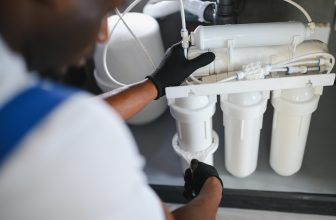
The most immediate barrier is often the lease agreement itself. Many rental contracts explicitly forbid tenants from making alterations to the property’s plumbing or structure. Installing a traditional under-sink RO system typically involves tapping into water lines and drilling holes, actions that usually require explicit landlord permission. Obtaining this approval can be difficult. Landlords may be hesitant due to concerns about potential water damage from improper installation, the complexity of the system, or liability issues should something go wrong. The core issue often extends beyond the physical act of drilling; it involves a transfer of risk. Landlords are understandably wary because an incorrect installation, even one involving seemingly simple connections, can lead to substantial water damage, potentially impacting insurance or exceeding a tenant’s ability to cover repairs. This inherent risk makes many landlords default to denying permission for such modifications.
Invasive Installation Requirements
Standard under-sink RO systems necessitate several installation steps that are problematic in a rental context:
- Plumbing Connections: The system must be connected to the cold water supply line under the sink and also requires a connection to the drain line for wastewater discharge.
- Drilling: A separate, dedicated faucet for dispensing the purified water is standard, requiring a hole to be drilled through the countertop or sink deck. Additionally, connecting the wastewater line often involves drilling a small hole into the sink’s drain pipe below the P-trap. These modifications are frequently unacceptable to landlords and violate lease terms.
- Space: These systems, including filters and potentially a storage tank, require considerable space within the under-sink cabinet, which might be limited in smaller apartments.
- Complexity: Installation can be intricate, sometimes requiring specific tools or plumbing knowledge. Landlords may prohibit tenants from performing such work themselves, insisting on licensed professionals, which adds cost and complexity for the tenant.
Potential for Damage & Liability
The risk of water damage is a major concern. Improperly secured fittings or connections are common issues with RO systems and can lead to leaks. High or fluctuating water pressure, which is often unknown in a rental property, can cause plastic tubing to split or burst, potentially releasing large volumes of water and causing extensive damage. A documented incident resulted in nearly $50,000 in damages from a failed RO connection. Should damage occur due to a tenant-installed system, the tenant is typically held liable for the repair costs. Landlords often formalize this by requiring tenants to sign agreements accepting full responsibility for installation costs, maintenance, and any resulting damage.
Portability and Investment Issues
Under-sink RO systems are designed as permanent installations. They are difficult and cumbersome to uninstall and transport when moving. Furthermore, even if a landlord permits installation, they might stipulate that the system becomes the property’s fixture upon the tenant’s departure, or that the tenant must pay for professional removal and restoration of the original plumbing. This creates a financial disincentive for renters, who may be hesitant to invest several hundred dollars in a system they might use for only a year or two before having to abandon it or incur further costs for removal.
These combined factors—lease restrictions, invasive installation, damage risks, liability concerns, and lack of portability—make traditional under-sink RO systems an impractical and often prohibited choice for most renters.
Enter the Renter-Friendly RO: Countertop and Faucet Options
Recognizing the barriers faced by tenants, manufacturers have developed alternative RO systems specifically designed for ease of use, portability, and minimal impact on the rental property. These primarily fall into two categories: countertop units and faucet-connection systems.
Category 1: Countertop RO Systems
These are self-contained appliances designed to sit on a kitchen counter. They come in two main variations based on how they access tap water:
- Manual-Fill (Zero Installation) Countertop RO: This increasingly popular type requires no connection to plumbing whatsoever. The user simply plugs the unit into a standard electrical outlet, manually fills a designated reservoir with tap water, and the machine processes the water internally, storing the purified water in a separate clean water tank or pitcher. Prominent examples include models from AquaTru, Bluevua (ROPOT series), Waterdrop, RKIN (ZIP series), and Sans. The “Zero Installation” marketing explicitly targets renters seeking the absolute lowest barrier to entry, bypassing even the potential faucet compatibility issues associated with other portable types.
- Faucet-Connect Countertop RO: These systems connect directly to the existing kitchen faucet using a special adapter or diverter valve. When activated, the diverter redirects tap water through tubing into the countertop unit for filtration. Examples include the APEC RO-CTOP, Express Water EZRO5, and systems from brands like Aqua True Blue, Pure-Earth, and Oceanic. These offer the convenience of continuous water processing without manual refilling but depend on having a compatible faucet.
Category 2: Faucet Filters (Distinction from RO)
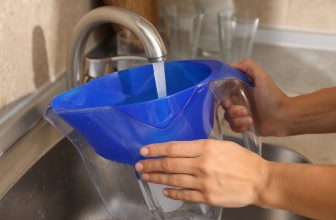
It is crucial to distinguish the RO systems described above from standard faucet filters (like those commonly sold by Brita or PUR). While some compact RO systems connect to the faucet similarly to the faucet-connect countertop models, most common faucet filters use simpler activated carbon or sediment filtration. These improve taste and odor and may reduce some contaminants like chlorine or lead, but they do not employ Reverse Osmosis membranes and thus do not significantly reduce Total Dissolved Solids (TDS) or the broader range of contaminants that RO targets. Renters searching for “faucet filters” must be aware of this technological difference to ensure they purchase a system meeting their purification needs, as RO systems offer a much higher level of filtration but come at a higher price point.
The key difference between the two main renter-friendly RO types (manual-fill and faucet-connect) lies in their water source access method, which impacts installation simplicity, faucet compatibility requirements, and user convenience (manual refilling vs. on-demand flow).
Unpacking the Benefits: Why Portable RO Works for Rentals
Countertop and faucet-connect RO systems are specifically engineered to overcome the hurdles of traditional installations, offering distinct advantages that make them highly suitable for rental living.
No Permanent Changes Needed
The most significant benefit is the avoidance of permanent alterations to the property. These systems do not require drilling holes in countertops, sinks, or drain pipes. They function without modifying the existing plumbing infrastructure, connecting either temporarily to a faucet or operating entirely independently with manual water filling.
Simple Setup and Takedown
Installation is designed to be straightforward and user-friendly. Many systems can be set up in minutes, often requiring no tools or only basic ones like pliers for removing an existing faucet aerator. Disconnecting the systems is equally simple, making them easy to pack up and remove when it’s time to move out.
Take It With You: The Portability Factor
Unlike fixed under-sink units, these systems are inherently portable. Renters can invest in a high-quality water purification system and take it with them from one rental property to the next, preserving their investment. This portability extends beyond moving; it allows flexibility in placement within the current home and even enables use during travel or in recreational vehicles.
Avoiding Damage and Lease Headaches
By eliminating the need for permanent modifications and complex plumbing work, renter-friendly RO systems significantly reduce the risk of violating lease terms. They also minimize the potential for costly water damage associated with improper under-sink installations, offering peace of mind to both tenants and landlords.
Convenience is Key: User-Friendly Features
Manufacturers often incorporate features designed to enhance ease of use for non-technical users:
- Quick-Connect Fittings: Many systems utilize push-in fittings that allow tubing connections to be made quickly and securely without tools.
- Tool-Free Filter Changes: Filter replacement is frequently designed to be simple, often involving twisting or clicking cartridges into place without needing wrenches or specialized tools. This accessibility is a major advantage over under-sink systems where access can be cramped.
- Smart Indicators: Features like electronic filter life indicators (using lights or digital displays) alert users when it’s time for maintenance, ensuring the system continues to perform optimally.
The emphasis on “tool-free,” “quick-connect,” and “easy installation” directly addresses common renter anxieties about complexity and the potential for causing damage, making these systems feel more approachable and less risky than their under-sink counterparts.
Installation Without the Stress: Setting Up (and Removing) Your Renter RO
The setup process for renter-friendly RO systems is designed to be minimally invasive and straightforward. However, following the correct steps is crucial to ensure proper function and prevent accidental damage.
Countertop Systems (Manual-Fill / Zero Installation)
These are the simplest to set up:
- Unpack and Place: Carefully remove the unit and its components (water tanks, filters if separate) from the packaging. Place the main unit on a stable, level countertop surface near a standard electrical outlet.
- Assemble Tanks & Filters: Ensure the tap water reservoir and the clean water tank/pitcher are correctly positioned within or attached to the unit according to the manual. Install filters if they are not pre-installed.
- Fill Reservoir: Fill the designated tap water tank from the sink.
- Power Up: Plug the unit into the wall outlet.
- Initial Flush: Run one or more initial filtration cycles as instructed by the manufacturer’s manual. This primes the filters and flushes out any residual manufacturing materials. Discard the water from these initial cycles.
- Ready: The system is now ready for regular use.
Damage Prevention: Ensure the unit sits on a waterproof mat or tray if spills are a concern. Handle the water tanks carefully during filling and emptying. Follow basic electrical safety precautions. The risk of damage to plumbing or cabinetry is virtually nonexistent with this type.
Disconnection: Simply unplug the unit, empty both the tap water and purified water tanks completely, and pack the system for moving or storage.
Countertop Systems (Faucet-Connect)
These require a connection to the kitchen faucet:
- Check Faucet Compatibility: This is the most critical first step. These systems typically only work with standard faucets that have a removable, threaded aerator at the tip. They are generally not compatible with pull-out sprayers, pull-down faucets, or uniquely shaped designer faucets. Verify faucet type before purchasing the system. Failure to do so is a common reason for returns or inability to use the product.
- Remove Aerator: Unscrew the existing aerator (the small screen piece) from the end of the faucet spout. It usually unscrews by hand, but gentle pressure with pliers (use a cloth to prevent scratching) might be needed if it’s tight. Note whether the threads are on the inside (female) or outside (male) of the faucet spout.
- Select Adapter and Washer: The RO system kit will include several adapters and rubber washers/gaskets. Choose the adapter that correctly fits the threads on the faucet spout (male or female) and the appropriate washer. Using the correct washer is essential for a leak-proof seal.
- Attach Adapter: Place the selected washer inside the adapter. Carefully screw the adapter onto the faucet spout. Hand-tighten firmly. Avoid using tools to overtighten unless the manual specifically instructs it, as this could damage the faucet threads or the adapter. Some universal adapters that clamp onto the faucet exist but may be less secure.
- Connect Tubing: Attach the water inlet tubing from the RO unit to the port on the faucet adapter/diverter valve. This connection is often a simple push-in quick-connect fitting. Ensure the tubing is securely seated.
- Initial Flush and Leak Check: Turn on the cold water at the faucet. Operate the diverter valve on the adapter to send water to the RO unit. Run water through the system for the manufacturer-recommended flushing period (e.g., 5 minutes). Crucially, watch all connection points (adapter-to-faucet, tubing-to-adapter) carefully for any drips or leaks during this flush. A small leak here indicates the adapter or washer may need reseating. Addressing it immediately prevents potential water damage later.
- Ready: After flushing and confirming no leaks, the system is ready.
Damage Prevention: Correct adapter and washer selection is paramount. Do not force connections. Ensure the water tubing is not kinked, stretched, or bent at sharp angles, which could lead to stress and potential failure over time. Place the countertop unit where the tubing runs freely.
Disconnection: Turn off the cold water tap. Operate the diverter valve to release any pressure in the line. Disconnect the tubing from the faucet adapter (quick-connect fittings usually have a release collar). Carefully unscrew the adapter from the faucet spout. Reinstall the original faucet aerator.
Tools: While often marketed as tool-free, having pliers handy for a stubborn aerator can be helpful. This contrasts significantly with the wrenches, drills, and potentially specialized tools needed for under-sink installations.
Portable vs. Permanent: Understanding Performance Trade-offs
While renter-friendly RO systems offer significant advantages in terms of installation and portability, it’s important for tenants to understand how their performance might differ from traditional under-sink units. These trade-offs involve water output, filtration quality nuances, water efficiency, noise levels, and space considerations.
Water Output (GPD – Gallons Per Day) / Flow Rate
- Under-Sink: Generally provide higher water output, measured in Gallons Per Day (GPD), and faster flow rates from the dedicated faucet. This is due to their direct connection to household plumbing, ability to handle higher water pressure, potentially larger RO membranes, and the common inclusion of a pressurized storage tank that holds several gallons of purified water for immediate dispensing.
- Countertop/Faucet-Connect: Typically have lower GPD ratings and slower flow rates. Faucet-connect models might produce 0.5-1 gallon per hour, or take 15-30 minutes per gallon. GPD ratings vary widely, from 50-100 GPD for many portable units up to claims of 600 GPD for some advanced tankless models adaptable for countertop use. However, extremely high GPD claims for portable systems should be viewed with caution, as performance often depends on optimal water pressure (e.g., 60 psi) and temperature, conditions not always met or known in rentals. High-flow tankless units also typically require a pump, adding noise. Manual-fill countertop units are limited by the size of their internal tanks and the time it takes to process a batch of water. This slower output can be less convenient for larger households or those needing significant amounts of filtered water quickly, such as for cooking large meals.
Filtration Quality / Contaminant Removal
- Core Technology: Both system types rely on the RO membrane, typically combined with pre-filters (sediment, activated carbon) and sometimes post-filters (carbon polishing, remineralization), to effectively remove a wide range of contaminants. This includes dissolved solids (TDS), heavy metals (lead, arsenic, mercury), chlorine, fluoride, nitrates, pesticides, PFAS, bacteria, viruses, and more.
- Effectiveness Claims: Manufacturers often claim similar high removal rates (e.g., “up to 99%”) for both types.
- Verification: Independent third-party certifications provide reliable verification of performance claims. Key certifications include NSF/ANSI 58 (for RO contaminant reduction), NSF/ANSI 42 (for chlorine, taste, odor), and NSF/ANSI 372 (for lead-free components). Renters should look for these marks when comparing systems. Some reputable brands also provide detailed test results.
- Additional Features: Some countertop models incorporate features less common in basic under-sink units, such as UV sterilization for microbial control or remineralization filters to add back beneficial minerals (like calcium and magnesium) and improve the taste of RO water, which can otherwise be slightly acidic and flat.
Water Waste (Pure:Drain Ratio)
- Traditional RO: Historically known for being inefficient, potentially wasting 3, 5, or even 10 gallons of water down the drain for every gallon of purified water produced. Efficiency often decreases as membranes age or if water pressure is low.
- Renter-Friendly Systems: Efficiency varies significantly among portable models. Some faucet-connect types may have waste ratios similar to older traditional systems (e.g., 1:3 or 1:4 waste to pure). However, many modern countertop units, especially manual-fill types, boast much better efficiency, with claimed pure-to-drain ratios of 2:1, 3:1, or even 5:1 (meaning less water is wasted). Some systems are designed so the “waste” water (concentrate) can be collected and used for non-potable purposes like watering plants or cleaning. The EPA’s WaterSense label certifies RO systems that waste 2.3 gallons or less per gallon of pure water produced.
Noise
- Under-Sink: Traditional systems operating solely on water pressure with a storage tank are generally very quiet. However, tankless under-sink models, or those requiring a booster pump (often needed for low household water pressure), will generate pump noise during operation.
- Countertop/Faucet-Connect: Faucet-connect systems relying only on tap pressure are typically quiet. Manual-fill countertop units contain internal pumps to push water through the RO membrane and will produce some noise while processing a batch of water. Models with additional features like instant hot water or cooling may also have fan noise. Some specific countertop models are noted for being relatively quiet.
Space & Aesthetics
- Under-Sink: The primary advantage is being hidden away, keeping countertops clear. However, they consume valuable cabinet space under the sink.
- Countertop/Faucet-Connect: These units occupy countertop real estate, making them visible appliances. Dimensions vary, with some compact designs available, but renters must ensure they have adequate space. The trade-off for occupying counter space is their portability and ease of installation.
The following table summarizes the typical performance trade-offs:
Performance Comparison: Renter-Friendly RO vs. Traditional Under-Sink RO
| Feature | Renter-Friendly (Countertop/Faucet-Connect) | Traditional Under-Sink |
|---|---|---|
| Output/Flow Rate | Generally slower; limited by tank size (manual-fill) or faucet pressure/GPD | Often faster flow; storage tank provides on-demand access |
| Filtration Quality | High (RO standard); effectiveness varies; check certifications (NSF) | High (RO standard); effectiveness varies; check certifications (NSF) |
| Water Waste Ratio | Varies widely; modern units often more efficient (e.g., 3:1, 2:1 pure:drain) | Can be high (e.g., 1:3, 1:5+ pure:drain); efficiency depends on system/age |
| Noise Level | Quiet (faucet-connect w/o pump); pump noise (manual-fill); potential fan noise | Generally quiet (tanked); pump noise (tankless or booster pump needed) |
| Space Requirement | Occupies countertop space; unit is visible | Hidden under sink; requires cabinet space |
| Installation | Simple, often tool-free; no permanent changes required | Complex; requires plumbing modification, drilling, potentially professional help |
| Portability | High; designed to be moved easily | Low; considered a permanent fixture |
Ultimately, while countertop RO systems provide comparable water quality to under-sink units, the experience of using them can differ due to potentially slower water delivery and the need for manual interaction (for manual-fill types). Renters must weigh these performance factors against the significant benefits of installation ease and portability.
Living with Your RO: Maintenance, Money, and Landlords
Owning a renter-friendly RO system involves ongoing considerations beyond the initial purchase and setup. These include routine maintenance, budgeting for recurring costs, and navigating communication with the landlord when necessary.
Keeping it Running: Filter Changes in a Rental
All RO systems require periodic filter replacement to maintain performance and water quality.
- Frequency: Replacement schedules vary depending on the specific filter stage (pre-filters, carbon filters, RO membrane, post-filters), the amount of water used, and the quality of the incoming tap water. Typically, sediment and carbon pre-filters need changing every 6 to 12 months. The RO membrane itself lasts much longer, usually 1 to 3 years. Some systems use integrated multi-stage cartridges that might be replaced annually.
- Process: Renter-friendly systems are often designed with user convenience in mind. Filter changes are frequently tool-free, involving simple twist-and-lock or click-in mechanisms. Countertop units generally offer easier access to filters compared to cramped under-sink spaces. Always follow the specific instructions provided by the manufacturer.
- Indicators: Many modern systems feature helpful filter life indicators (often LED lights or digital displays) that signal when replacements are due, taking the guesswork out of maintenance.
- Responsibility: For a system purchased and installed by the tenant, the responsibility for maintenance and filter replacement almost always falls on the tenant. If a property comes with an existing water filtration system (like an RO unit or even a whole-house UV system), the responsibility for maintenance (including filter/bulb costs) can be ambiguous. While landlords are generally responsible for maintaining essential services and fixtures needed for habitability (which can include providing safe drinking water), disputes can arise over consumable components like filters. It is highly advisable for renters moving into a property with an existing system to clarify maintenance responsibilities before signing the lease to avoid future conflicts or unexpected expenses.
Budgeting for Better Water: Initial vs. Ongoing Costs
- Initial Cost: Renter-friendly RO systems span a range of price points. Simple faucet-connect models can start around $100-$150 and go up to $250 or more. Manual-fill countertop units typically range from budget options around $200 to mid-range and premium models costing $300-$500+. While a significant purchase, this initial outlay is generally lower than the cost of professionally installed under-sink systems.
- Ongoing Costs: The primary recurring expense is filter replacement. Annual costs can vary significantly based on the brand, the number of filter stages, and replacement frequency. Estimates might range from roughly $50-$70 per year for simpler faucet-connect systems to $90-$170+ per year for multi-stage countertop units. Renters should factor these ongoing costs into their budget. However, many users find that the cost is offset by savings from no longer purchasing bottled water. A potential hidden cost relates to proprietary filters often used in countertop systems. Unlike some under-sink systems that might accept standard-sized, competitively priced generic filters, countertop models frequently require specific branded cartridges, potentially leading to higher long-term maintenance expenses and dependence on the manufacturer continuing to produce those filters.
The Landlord Conversation: When and How to Talk About Your Filter
Navigating communication with a landlord about installing a water filter requires careful consideration of the lease and the type of system.
- Review Your Lease: First, thoroughly read the rental agreement. Look for any clauses pertaining to alterations, modifications to plumbing, installation of appliances, or specific prohibitions.
- When to Communicate:
- Faucet-Connect Systems: Since these involve connecting directly to the building’s plumbing (the faucet), it is generally advisable to inform the landlord or seek permission, even though it’s a temporary connection. This avoids potential misunderstandings or accusations if a leak were to occur near the faucet.
- Manual-Fill Countertop Systems: As these require no plumbing connection and function like any other countertop appliance (e.g., coffee maker, blender), notification is often unnecessary unless the lease has unusually strict clauses about appliances or countertop usage.
- Ambiguity: If the lease is unclear, erring on the side of informing the landlord is often the safest approach.
- How to Approach the Conversation:
- Be Specific: Clearly state the type of system intended (e.g., “a portable countertop water filter that sits on the counter” or “a temporary filter that connects to the faucet aerator with an adapter”).
- Emphasize Non-Permanence: Stress that the system requires no permanent modifications, no drilling, and no changes to the existing plumbing.
- Highlight Removability: Explain that the system is easily and completely removable upon moving out, leaving no trace.
- Provide Information: Offer to share product details or links showing the simple installation (like the tenant who shared a YouTube video, though landlord caution remained).
- Reassure About Damage: Mention precautions, like using a protective mat under countertop units.
- Clarify Purpose: Frame it as a personal appliance for improving drinking water quality, not a request for the landlord to upgrade the property’s water system (unless the tap water fails to meet legal safety standards, which is a separate issue potentially requiring landlord action).
- Consider a Written Agreement: If the landlord expresses concern, offering to put in writing that the tenant assumes responsibility for the unit, any potential damage related to its use, and its removal upon vacating can provide reassurance.
By understanding maintenance needs, budgeting appropriately, and communicating clearly and proactively with landlords when necessary, renters can successfully integrate an RO system into their lives.
Top Picks: Renter-Approved RO Systems
Choosing the right RO system involves matching features and specifications to individual needs and rental constraints. Several models consistently appear as popular choices for renters.
What to Look For: Key Features for Renters
When evaluating options, renters should prioritize the following:
- Installation Type: Decide between Zero-Installation (manual-fill) for maximum simplicity or Faucet-Connect, ensuring faucet compatibility is confirmed beforehand.
- Ease of Use: Look for intuitive controls, clear status indicators (filter life, water quality/TDS displays), and straightforward filter replacement processes (tool-free, quick-connect fittings).
- Size & Weight: Measure available counter space and compare it to product dimensions. Consider weight if frequent moving or repositioning is expected.
- Capacity & Speed: Assess daily filtered water needs. Consider the purified water tank capacity (manual-fill units) and the GPD rating or flow rate to ensure it meets household demands without excessive waiting.
- Filtration Performance: Verify that the system removes contaminants of concern. Look for multi-stage filtration and, ideally, independent NSF certifications (especially NSF/ANSI 58 for RO performance). Be cautious of vague claims and check for third-party test results where available.
- Water Waste Ratio: If water costs or environmental impact are concerns, compare the pure-to-drain ratios. Modern countertop units often offer better efficiency than older designs.
- Filter Life & Cost: Research the expected lifespan of each filter cartridge and the cost of replacements to estimate the long-term operating expense.
- Brand Reputation & Support: Consider the manufacturer’s track record, warranty terms, customer service availability, and the long-term availability of proprietary replacement filters.
- Special Features: Evaluate if extras like instant hot or cold water dispensing, UV sterilization, or remineralization are desired and worth the potential extra cost and complexity. For many renters, prioritizing core filtration performance and reliability over bells and whistles might be more practical, especially given potential added costs, energy use, or noise associated with these features.
Spotlight on Recommended Models
Based on available information and reviews, here are some frequently mentioned renter-friendly RO systems, categorized by type. Note: Specifications and prices are approximate and subject to change; always verify with the manufacturer.
Manual-Fill (Zero Installation) Countertop RO Systems:
- AquaTru Models: Often highly recommended for performance and certifications. NSF certified. Known for effective contaminant removal. May have fewer advanced features than some competitors. Classic model: ~16 lbs, 1-gal tap tank, 3-qt clean tank. Price: ~$450+.
- Bluevua ROPOT / ROPOT-Lite: Popular choice, features like glass carafe (less plastic contact), good water efficiency (2:1 or 3:1 pure:drain), filter life indicators, optional UV and remineralization. ROPOT weight ~23 lbs. Lite version is more compact. Price: ~$390-$410+.
- Waterdrop Countertop (K19, N1, C1S, etc.): Offers a variety of models with features like smart displays, good efficiency (3:1), UV options, and instant hot water. Prices range from budget (~$200 for C1S) to mid-range (~$240-$300+ for K19/N1). Some user reports mention issues with taste or TDS reduction in certain models.
- RKIN ZIP: Focuses on zero installation and offers an alkaline remineralization option. Specs: 75 GPD, 0.5-gal tank, NSF-certified membrane, easy filter changes, 1-year warranty/guarantee. Price: ~$440. Some reports of noise or potential clogging with hard water.
- Sans Water Purifier: Features UV-C, instant hot water (201°F/94°C), real-time water quality monitor (TDS), auto-dispensing glass pitcher. Filters last 12-24 months. Dimensions: 17.3″L x 6.7″W x 12.2″H. Price: ~$450+.
- Express Water ROC001: Provides temperature options (hot, warm, ambient), UV LED, 2-gallon tank, 50 GPD, 3:1 waste ratio. Price: ~$300.
- Aigerri Countertop: Claims 5:1 pure:drain ratio, UV, 5L raw water tank, NSF/ANSI 58 alignment. Price: ~$300.
- Others mentioned: SimPure, TOKIT, Stokk.
Faucet-Connect Countertop RO Systems:
- APEC RO-CTOP: Portable design, 90 GPD, uses standard filter parts. Requires standard threaded faucet. Dimensions: 14″x6.5″x6″, weight 11 lbs. Price: ~$250.
- Express Water EZRO5: Budget-friendly option, 4-stage filtration, 100 GPD, 1-4 gal waste/gal pure ratio, easy installation. Requires standard threaded faucet. Dimensions: 8.875″x14″x6.5″, weight 7.75 lbs. Filters changed every 6 months. Price: ~$150.
- Aqua True Blue / Pure-Earth / Oceanic: Offer various portable faucet-connect models, often 3-5 stages, 50-150 GPD. Emphasize ease of connection via faucet adapter. Prices vary, starting around $85-$110+. Check specific filter types and lifespans. Pure-Earth uses Dow membranes. Oceanic notes slow flow rate.
The following table provides a comparative overview of some popular models:
Comparison of Selected Renter-Friendly RO Systems
| Model | Type | Approx. Price | Key Specs (GPD, Waste Ratio, Tank Size) | Filter Stages/Life | Dimensions/Weight | Key Features | Renter Notes |
|---|---|---|---|---|---|---|---|
| AquaTru Classic | Manual-Fill | ~$450 | Slow flow, N/A GPD, Efficient waste, 1 gal tap/3 qt clean tank | 4-stage / 6-12 mo (pre), 2 yr (RO) | 14″H x 14″D x 12″W / 16 lbs | NSF Certified | Zero install; easy setup |
| Bluevua ROPOT | Manual-Fill | ~$390 | N/A GPD, 2:1 or 3:1 pure:drain, ~1.7L carafe | 5-stage (inc. remin) / 12-24 mo | 14.3″H x 10.9″W x 15.4″L / 23 lbs | Glass carafe, filter indicator, optional UV | Zero install; check space/weight |
| Waterdrop K19 | Manual-Fill | ~$240-$270 | 75 GPD claim, 3:1 pure:drain, 170 oz tank | 4-stage / Varies | Check manufacturer | Smart display, optional instant hot | Zero install; mixed reviews on taste |
| RKIN ZIP | Manual-Fill | ~$440 | 75 GPD, Efficient waste claim, 0.5 gal tank | 4-stage (inc. alkaline opt) / ~1 yr | 16.25″H x 9.5″W x 14.5″L | NSF membrane, easy change, 1yr guarantee | Zero install; potential noise/clogging |
| Sans Purifier | Manual-Fill | ~$450+ | N/A GPD, N/A waste, 118 fl oz tap/57 fl oz pitcher | 4-stage + UV-C / 12-24 mo | 12.2″H x 6.7″W x 17.3″L | Instant hot, TDS monitor, glass pitcher | Zero install; feature-rich |
| APEC RO-CTOP | Faucet-Connect | ~$250 | 90 GPD, N/A waste, No tank | 4-stage / Varies | 6″H x 14″W x 6.5″D / 11 lbs | Standard parts, portable | Must check faucet compatibility |
| Express Water EZRO5 | Faucet-Connect | ~$150 | 100 GPD, 1:1 to 1:4 pure:drain, No tank | 4-stage / 6 mo | 6.5″H x 8.875″W x 14″D / 8 lbs | Budget-friendly, easy install | Must check faucet compatibility |