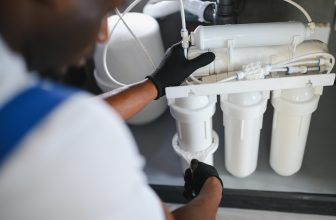
Why Water Pressure Matters for Your RO System
Reverse Osmosis (RO) technology offers one of the most effective methods for purifying drinking water in residential settings, removing a wide array of contaminants. However, unlike simple filters, RO is a pressure-driven process. It relies fundamentally on sufficient water pressure to force water molecules through a sophisticated, semi-permeable membrane, leaving impurities behind. This mechanism can be visualized as needing adequate force to squeeze pure water through an extremely fine sieve while holding back the unwanted particles and dissolved substances.
This article is part of our Complete Guide to Choosing a Home Reverse Osmosis System, a comprehensive resource designed to walk you through every step of the selection process. From understanding system types to evaluating features and matching a system to your household’s unique needs, our guide brings all the essential information together in one place. Click here to explore the full guide.
For homeowners with low water pressure, this reliance on pressure presents a significant challenge. Standard RO systems, designed assuming typical municipal water pressure, can struggle to perform effectively, leading to frustration, inefficiency, and potentially compromised water quality. The system might produce water too slowly, waste an excessive amount, or fail to remove contaminants as thoroughly as expected.
This article aims to demystify the relationship between water pressure and reverse osmosis system performance for homeowners facing low-pressure conditions. It will explain precisely why pressure is critical, detail the negative impacts of insufficient pressure, and guide homeowners in identifying and measuring low pressure in their homes.
It will also provide a thorough exploration of the various RO system types and components—including storage tanks, tankless designs, booster pumps, and permeate pumps—that can offer effective solutions. The goal is to equip homeowners with the knowledge needed to select an appropriate reverse osmosis system configuration that meets their needs despite the challenges of low water pressure.
Navigating Your Options
To guide you through the decision-making process, the sections below break down each key topic in a clear, step-by-step format. Use the table of contents to navigate directly to the areas that are most relevant to your needs and questions.
How Low Pressure Hinders RO Performance
The Mechanics of Pressure in RO
The core principle of reverse osmosis involves overcoming the natural phenomenon of osmosis. In osmosis, water naturally moves across a semi-permeable membrane from a less concentrated solution (like purer water) to a more concentrated solution (like water with dissolved contaminants). To reverse this flow and purify water, the RO system must apply pressure to the contaminated feed water side. This applied pressure acts as the driving force, pushing water molecules through the membrane’s microscopic pores to the pure water side, while the larger contaminant molecules and dissolved ions are rejected and flushed away.
Critically, this applied pressure must be greater than the natural osmotic pressure exerted by the dissolved contaminants in the feed water. Osmotic pressure increases with the concentration of total dissolved solids (TDS) in the water; higher TDS levels require more applied pressure just to counteract the natural osmotic tendency. Low inlet water pressure provides less “push” to overcome this inherent resistance and drive the purification process effectively.
Minimum Pressure Thresholds
For standard residential RO systems to operate effectively, a minimum inlet water pressure is required. While theoretical minimums might be cited lower, practical experience and manufacturer recommendations generally place the minimum threshold between 40 and 50 PSI (pounds per square inch). Pressures below 40 PSI are widely considered insufficient for reliable operation.
For optimal performance – achieving the rated water production, efficiency, and contaminant rejection – most sources recommend an ideal pressure of 60 PSI or higher. RO membrane manufacturers often base their performance specifications (like Gallons Per Day rating) on tests conducted at 50 or 60 PSI under specific temperature conditions.
Consequences of Insufficient Pressure
Operating an RO system below its required pressure threshold leads to a cascade of negative consequences:
Reduced Pure Water Production (Low GPD)
The most immediate effect of low pressure is a significant reduction in the volume of purified water the system can produce over time, measured in Gallons Per Day (GPD). With less driving force, water permeates the membrane much more slowly. This means the system takes longer to fill its storage tank (if equipped) and delivers a lower overall daily yield. Water temperature also plays a role, with colder water being more viscous and requiring more pressure, further reducing production rates in low-pressure, cold-water situations.
Increased Wastewater (Poor Recovery Rate)
RO systems inherently produce both purified water (permeate) and wastewater (concentrate or brine), which carries away the rejected contaminants. Efficient operation requires sufficient pressure not only to create permeate but also to maintain adequate cross-flow across the membrane surface, effectively flushing contaminants down the drain. Low pressure disrupts this balance. The system struggles to push water through the membrane, resulting in a much higher proportion of the incoming water being sent to the drain relative to the amount purified. The recovery rate (the percentage of feed water that becomes pure water) plummets, leading to significant water wastage. A system that might waste 3 or 4 gallons for every gallon purified under good pressure could waste 10 gallons or more under low pressure.
Compromised Water Quality (Higher TDS)
Low pressure can negatively impact the quality of the purified water due to a phenomenon called “TDS creep”. While the rate of water passing through the membrane is highly dependent on pressure, the rate at which dissolved salts (TDS) naturally diffuse across the membrane is more influenced by the concentration difference between the feed water and the pure water side. When low pressure slows the flow of pure water, the continuous, slow passage of salts becomes less diluted, resulting in a higher TDS concentration in the product water. This effect is often most noticeable when drawing water after the system has been idle (like first thing in the morning). Furthermore, effective rejection of certain health-related contaminants like nitrates or arsenic may specifically require pressures higher than the minimum operating threshold. Overall, low pressure leads to lower rejection rates and poorer quality water.
Premature Membrane Fouling/Reduced Filter Life
The inadequate flushing action caused by low pressure allows minerals and contaminants to accumulate more readily on the membrane surface. This buildup, known as fouling or scaling, further restricts water flow, reduces contaminant rejection, and can significantly shorten the lifespan of the RO membrane, which is typically the most expensive component to replace. Pre-filters might also experience reduced lifespan due to altered flow dynamics and potentially higher contaminant load if the membrane isn’t working efficiently. While membranes typically last 2-5 years, operating under chronic low pressure can necessitate earlier replacement.
The consequences of low pressure often compound each other. Reduced pressure directly lowers the water production rate. This slower flow allows more time for salts to diffuse across the membrane relative to the water volume, increasing TDS (TDS creep). Simultaneously, the weak flushing action promotes membrane fouling. Fouling further restricts flow and diminishes the membrane’s ability to reject contaminants. This cycle means system performance doesn’t just decrease linearly with pressure; it can degrade more rapidly over time, leading to unsatisfactory water quantity and quality.
Beyond the functional limitations, operating an RO system in a low-pressure environment without mitigation strategies impacts the cost-effectiveness of water purification. The significantly increased wastewater ratio means higher water consumption (and potentially higher water bills) for the same amount of purified water produced. Additionally, the accelerated fouling of the membrane and potentially the pre-filters leads to more frequent replacements, adding to the long-term operational expenses. Therefore, addressing low pressure is crucial not just for performance but also for economic and resource efficiency.
Is Your Home’s Water Pressure Low? Signs and Measurement
Before considering specific RO system solutions, it’s essential to determine if your home actually suffers from low water pressure and, if so, to quantify it.
Common Symptoms of Low Household Water Pressure
Several common household experiences can indicate potentially low water pressure:
- Weak Water Flow: A noticeably weak or diminished stream of water from faucets and showerheads is the most direct symptom.
- Slow Appliance Filling: Washing machines, dishwashers, or even toilet tanks taking significantly longer than usual to fill can point to low pressure.
- Pressure Drops with Multiple Fixtures: While a slight decrease might occur in any home, a significant drop in pressure at one faucet when another faucet or appliance (like a shower or washing machine) is turned on suggests the overall pressure might be insufficient.
- Inconsistent Shower Temperatures: Sudden changes in shower temperature (becoming abruptly hot or cold) when someone flushes a toilet or uses another tap can be caused by pressure fluctuations affecting the balance of hot and cold water flow, often linked to low overall pressure.
- Inefficient Sprinklers: Outdoor sprinkler systems may underperform, failing to cover the intended area or producing weak streams.
Other, sometimes less obvious, signs might include dripping faucets (potentially caused by pressure fluctuations damaging seals over time), unusual noises from pipes like banging or rattling (which can sometimes be related to pressure issues or blockages), or problems isolated to only hot water (suggesting sediment buildup in the water heater or its lines) or a single faucet (often due to a simple clogged aerator screen).
How to Measure Your Water Pressure (DIY Guide)
While symptoms provide clues, the only definitive way to know your home’s water pressure is to measure it directly using a water pressure gauge. This is a simple and inexpensive process:
- Obtain a Gauge: Purchase a water pressure test gauge from a local hardware or home improvement store. Look for one that reads in PSI (typically up to 200 or 300 PSI is sufficient) and has a 3/4-inch female hose thread (FHT) connector to easily attach to outdoor spigots or washing machine hookups. Ensure it has a rubber gasket for a watertight seal. These gauges are generally affordable.
- Prepare the House: Ensure no water is running anywhere inside or outside the house. Turn off all faucets, showers, washing machines, dishwashers, sprinklers, ice makers, and any other water-using appliances. This step is crucial for measuring the home’s static pressure (pressure when no water is flowing).
- Connect the Gauge: Select an outdoor hose bib (spigot), ideally the one closest to where the main water supply pipe enters your house or nearest to the water meter (for municipal supply) or well pressure tank (for well water). Unscrew any attached hose. Screw the pressure gauge onto the hose bib threads, tightening it by hand to ensure the rubber gasket creates a good seal and prevents leaks. If outdoor access is unavailable, the test can often be performed on the cold water faucet supplying a washing machine, which usually has compatible threads.
- Take the Reading: Fully open the valve of the hose bib or faucet to which the gauge is attached. The needle on the gauge dial will indicate the static water pressure in PSI. Read the measurement after the needle stabilizes. Note this value. Typical residential water pressure falls between 40 and 80 PSI, with an ideal range often considered to be 45-55 PSI or 40-60 PSI. Readings consistently below 40 PSI generally confirm low water pressure for RO system purposes.
- (Optional) Check Dynamic Pressure: While the gauge is still attached and showing the static pressure reading, have someone inside the house fully open a high-flow fixture, like a bathtub faucet. Observe the pressure reading on the gauge while water is flowing. A significant drop (e.g., more than 10-15 PSI, or falling below 20-30 PSI during flow) could indicate not just low static pressure but also potential restrictions within the home’s plumbing system (like partially clogged pipes or an undersized main line) that impede water flow.
It is important to rely on direct measurement rather than simply inquiring with the local water utility. While the utility can provide an estimate for the neighborhood, the actual pressure at a specific house can vary significantly due to factors like the house’s elevation relative to the water main (pressure decreases with height), the distance the water travels from the main, and crucially, the condition of the individual home’s plumbing system. Old, corroded, or partially clogged pipes, hidden leaks, or malfunctioning pressure regulating valves within the home can all reduce the pressure available at the point of use compared to the pressure in the street. Therefore, the measurement taken at the hose bib or washing machine connection provides the most relevant data for assessing suitability for an RO system.
Furthermore, identifying low pressure is only the first diagnostic step. Understanding the cause of the low pressure is also valuable. Is it an issue with the municipal supply affecting the whole neighborhood? Is the well pump pressure switch set too low? Or is it an internal problem like a partially closed main shut-off valve, a failing pressure regulator (if installed), undetected leaks, or widespread pipe corrosion? An RO booster pump specifically addresses low pressure at the RO unit. It won’t resolve a whole-house pressure problem caused by a major leak or a valve that isn’t fully open. Addressing such underlying issues might restore adequate pressure throughout the house, potentially allowing a standard RO system to function correctly or negating the need for a booster pump altogether. Therefore, a basic investigation into the potential cause of low pressure can inform the most effective overall solution.
Exploring RO Solutions for Low-Pressure Environments
Once low water pressure is confirmed, several RO system configurations and components can be considered to ensure adequate performance.
Option 1: Standard Systems with Storage Tanks
Traditional under-sink RO systems operate by slowly filtering water through the membrane and accumulating the purified water in a pressurized storage tank. These tanks typically contain a butyl rubber bladder surrounded by a cushion of pre-charged air. As purified water enters the tank, it fills the bladder, compressing the air cushion around it. When the dedicated RO faucet is opened, the pressure from this compressed air forces the stored water out through the faucet. This design provides immediate access to several gallons of purified water, buffering the slow production rate inherent in the RO process. Maintaining the correct air pre-charge in the tank (typically 5-8 PSI when the tank is completely empty of water) is important for proper function.
However, these standard systems face significant challenges under low inlet water pressure:
- Slow Tank Refill: The diminished driving pressure across the membrane drastically slows the rate at which purified water is produced, meaning the storage tank takes much longer to refill after water is drawn.
- Reduced Effective Storage Capacity (The 2/3 Rule): Standard RO systems employ an Automatic Shut-Off (ASO) valve to stop water production when the tank is full, preventing continuous water waste. This valve typically operates based on the pressure inside the storage tank relative to the incoming feed water pressure. It closes, halting water flow to the membrane, when the tank pressure reaches approximately two-thirds (2/3) of the feed line pressure. If the home’s water pressure is low (e.g., 45 PSI), the system will shut off when the tank pressure reaches only about 30 PSI. In contrast, if the line pressure were 60 PSI, the tank could fill until it reached about 40 PSI before shut-off. This means that under low feed pressure, the storage tank holds significantly less usable water than its rated capacity, potentially leading to running out of purified water more quickly.
- Increased Impact of Back Pressure: The pressure exerted by the compressed air in the filling tank (back pressure) works against the incoming feed pressure, reducing the net pressure differential across the membrane. In low-pressure situations, this back pressure has a more pronounced negative effect, further slowing down water production and worsening the system’s efficiency (increasing the waste-to-pure water ratio) as the tank fills.
Due to these limitations, standard tank-based RO systems are generally not considered ideal for homes with water pressure consistently below the 40-45 PSI range unless supplementary components are added. They might function, albeit poorly, in the borderline 45-50 PSI range if household water demand is very low, but users should expect compromised performance.
Option 2: Tankless RO Systems
Tankless RO systems represent a newer approach, designed to purify water on demand directly as it flows to the faucet, thereby eliminating the need for a storage tank. To achieve acceptable flow rates without a storage buffer, these systems typically utilize larger, high-capacity RO membranes (rated in hundreds of GPD) and, crucially, almost always incorporate an internal electric booster pump. This integrated pump is designed to generate the necessary pressure for the membrane to work effectively and deliver water quickly.
The performance of tankless systems in low-pressure homes hinges entirely on the capability of this integrated pump. Many tankless models are specifically designed to handle low inlet pressures, with some manufacturers stating operability with feed pressures as low as 15 PSI. If a tankless system includes a pump designed for low inlet conditions, it can be an excellent solution. However, a hypothetical tankless system without an adequate internal pump would suffer the same poor performance as a standard tank system under low pressure.
Compared to traditional tank-based systems (especially unassisted ones in low pressure), tankless systems offer several potential advantages:
Pros:
- Continuous Flow: Provides purified water on demand without the limitation of tank capacity; you won’t run out of water during high usage periods.
- Potentially Fresher Taste: Some users prefer the taste of freshly filtered water compared to water stored in a tank.
- Space Saving: The absence of a bulky tank frees up significant space under the sink.
- Higher Efficiency: Often designed with advanced membranes and hydraulics for better pure-to-waste water ratios (e.g., 1:1, 2:1, or even 3:1 pure:waste are sometimes advertised, though verify manufacturers’ claims and testing conditions).
- Advanced Features: May include features like automatic membrane flushing to minimize scaling and TDS creep, or smart faucets displaying water quality (TDS).
Cons:
- Higher Upfront Cost: Tankless systems generally have a higher purchase price than standard tank systems.
- Requires Electricity: The internal pump necessitates a nearby electrical outlet, and the system will not produce water during power outages.
- Flow Rate vs. Tank Burst: While providing continuous flow, the instantaneous flow rate (gallons per minute at the faucet) might be lower than the initial burst of water from a fully pressurized tank.
- Performance Still Pump-Dependent: Effectiveness in low-pressure homes still relies on the integrated pump’s ability to adequately boost the incoming pressure.
Option 3: Enhancing Performance with Booster Pumps
For standard tank-based RO systems operating in low-pressure environments, adding a booster pump is often the most direct solution.
Necessity: Booster pumps are considered essential when the home’s water pressure is consistently below the functional minimum for RO systems (around 40-50 PSI). They are also highly beneficial for pressures in the borderline range (40-50 PSI) or if the feed water has very high TDS levels (e.g., over 500 ppm), as higher pressure improves rejection rates.
Function: A booster pump is an electric pump installed in the RO system’s feed water line, before the water reaches the RO membrane. Its sole purpose is to increase the pressure of this feed water to a level optimal for the RO process, typically boosting it to somewhere between 75 and 100 PSI, although pressures around 80 PSI are common targets. This ensures the membrane receives the necessary driving force to operate efficiently, regardless of the low incoming house pressure.
Components: A typical RO booster pump setup includes several key parts:
- Pump: Usually a diaphragm pump type in residential applications, which uses a reciprocating diaphragm to pressurize the water.
- Transformer: Plugs into a standard wall outlet and converts the household AC voltage to the low DC voltage (commonly 24V) required by the pump motor.
- High-Pressure Switch: This switch monitors the pressure in the purified water line, typically by sensing the pressure buildup in the storage tank line. When the tank fills and reaches a predetermined pressure (e.g., 40 PSI or 60 PSI, depending on the switch setting), it interrupts the electrical circuit, turning the booster pump off. When water is used and tank pressure drops, the switch closes the circuit, turning the pump back on.
- Low-Pressure Switch (Optional but Recommended): Installed on the inlet side before the pump, this switch acts as a safety device. It monitors the incoming house pressure and turns the pump off if this pressure drops too low (e.g., below 5 PSI), preventing the pump from running dry and potentially being damaged due to a water supply interruption or severely clogged pre-filters.
- Solenoid Valve (Optional): Sometimes included, especially in higher-end kits or tankless systems, this electrically operated valve is placed on the feed water line. It opens when the pump runs and closes when the pump shuts off, providing an additional layer of protection against water continuously flowing to the drain when the system is not actively producing water.
Integrated vs. External Pumps:
- Integrated: Some RO systems are sold as “pumped” models, meaning the booster pump and necessary controls are designed and built directly into the system. This offers a potentially cleaner setup, common in tankless designs.
- External (Retrofit Kits): These kits allow a booster pump to be added to a standard, non-pumped RO system. They provide flexibility but require careful installation to ensure all components are correctly plumbed and wired. Diaphragm pumps are favored for their reliability and ability to handle potential variations in water quality compared to gear pumps, which are more sensitive to particulates.
Option 4: Improving Efficiency with Permeate Pumps
While booster pumps address the fundamental issue of low inlet pressure, permeate pumps tackle a different problem: the loss of efficiency caused by back pressure from the storage tank.
Function: A permeate pump is a clever, non-electric device installed in the plumbing after the RO membrane but before the storage tank. It harnesses the hydraulic energy of the wastewater (brine) that is normally sent down the drain. As brine flows through one side of the pump, it drives a mechanism (like pistons or diaphragms) that actively pumps the purified water (permeate) from the other side of the pump into the storage tank.
Mechanism: The key benefit arises because the permeate pump effectively isolates the RO membrane from the increasing pressure building up inside the storage tank as it fills. Without a permeate pump, this back pressure directly opposes the feed pressure, reducing the net driving pressure across the membrane and hindering performance. With a permeate pump, the membrane essentially “sees” a much lower, near-atmospheric pressure on its outlet side, allowing it to operate at peak efficiency much like it would if filling an open, non-pressurized container.
Benefits:
- Reduced Wastewater: This is the primary advantage. By maintaining membrane efficiency even as the tank fills, permeate pumps drastically reduce the amount of water wasted. Savings of up to 80-85% compared to a standard system operating against back pressure are commonly cited. Waste-to-pure ratios approaching 1:1 become achievable.
- Faster Tank Filling: Because the membrane operates more efficiently throughout the filling cycle, the storage tank refills significantly faster (reports suggest up to 50-65% faster).
- Improved Water Quality: By maintaining a consistently higher pressure differential across the membrane, permeate pumps help minimize TDS creep, resulting in higher quality, lower TDS purified water, especially during the later stages of tank filling.
- Higher Effective Tank Pressure: Permeate pumps can enable the storage tank to fill to a pressure much closer to the incoming line pressure before the ASO valve shuts the system off, potentially providing slightly higher pressure at the faucet.
Use Case/Interaction with Booster Pumps: It’s crucial to understand that a permeate pump does not increase low inlet water pressure. Its function is to combat back pressure and improve efficiency. Therefore, in homes with very low pressure (<40-50 PSI), a booster pump is still required to provide the fundamental operating pressure for the RO membrane. In such cases, the permeate pump works in conjunction with the booster pump; the booster provides the necessary inlet pressure, and the permeate pump maximizes the system’s efficiency under that boosted pressure. Many high-efficiency RO systems designed for low pressure or well water incorporate both a booster pump and a permeate pump. A permeate pump is a valuable addition to almost any tank-based RO system, particularly where water conservation is a priority or where inlet pressure is borderline, but it cannot substitute for a booster pump when inlet pressure is fundamentally too low.
When choosing a solution, homeowners must weigh factors beyond just pressure correction. Tankless systems offer space savings and continuous flow but require power and have higher initial costs. Tank systems with pumps might be more budget-friendly initially but take up more space and involve managing multiple components. Taste preferences between stored and on-demand water can also play a role.
A key realization regarding booster pumps is that they don’t just speed up the filling process for tank systems; they fundamentally increase the amount of water the tank can effectively store. By raising the inlet pressure seen by the ASO valve, the booster pump allows the tank to reach a higher internal pressure before the 2/3 shut-off rule triggers. This means a booster pump enhances both the production rate and the usable storage volume compared to an unassisted system struggling with low pressure.
Similarly, while permeate pumps are primarily lauded for water savings, their mechanism of maintaining optimal pressure across the membrane directly translates to more consistent and potentially higher water quality. By minimizing the conditions that lead to TDS creep, especially as the tank nears capacity, they ensure a more reliably pure product water compared to standard systems whose rejection efficiency degrades under back pressure.
Pumped vs. Non-Pumped Systems
Comparing the expected performance metrics of different RO configurations under low pressure (<40-50 PSI) highlights the significant impact of pressure-boosting technologies.
Water Production Rate (GPD)
- Non-Pumped (Low Pressure): Output will be drastically lower than the membrane’s rated GPD. Production falls sharply as pressure drops below the ideal 60 PSI mark, becoming extremely slow or negligible below 40 PSI. Colder water temperatures further reduce output.
- With Booster Pump: Significantly improves production, bringing it closer to, or sometimes even exceeding, the membrane’s GPD rating, depending on the pressure achieved (e.g., 80-100 PSI). Provides consistent output largely independent of low or fluctuating house pressure.
- With Permeate Pump (in conjunction with adequate pressure): Increases the effective GPD by filling the tank faster (up to 50-65% quicker) compared to a system operating against back pressure. It doesn’t increase the membrane’s inherent GPD rating but makes the system utilize it more efficiently over the fill cycle.
- Tankless (with Integrated Pump): Specifically designed for high GPD ratings (e.g., 400, 600, 800 GPD or more) to deliver water on demand. The actual flow rate experienced at the faucet will be lower than the GPD rating suggests, typically in the range of 0.4 to 1+ gallons per minute, depending on the model and operating conditions.
Efficiency (Wastewater Ratio / Recovery Rate)
- Non-Pumped (Low Pressure): Extremely inefficient. The ratio of wastewater to purified water increases dramatically, potentially exceeding 10:1. The recovery rate (percentage of feed water turned into pure water) is very low.
- With Booster Pump: Markedly improves efficiency compared to the non-pumped low-pressure scenario by allowing the membrane to operate closer to its optimal pressure range. The waste ratio may return to more standard levels (e.g., 3:1 or 4:1) or potentially better, depending on the final pressure. However, efficiency still degrades as the tank fills due to back pressure.
- With Permeate Pump: Offers the most significant improvement in efficiency for tank-based systems. Reduces wastewater by up to 80-85% compared to systems operating against significant back pressure. Can achieve highly efficient ratios, sometimes approaching 1:1.
- Tankless (with Integrated Pump): Often engineered for high efficiency, with manufacturers frequently advertising favorable pure-to-waste ratios like 1.5:1, 2:1, or even 3:1 (note: check if the ratio cited is pure:waste or waste:pure). Some models employ periodic automatic flushing cycles, which contribute to overall water usage but help maintain membrane performance.
Impact on Filter and Membrane Lifespan
- Non-Pumped (Low Pressure): The poor flushing action and potential for increased mineral concentration near the membrane surface can lead to premature fouling and scaling, potentially shortening the lifespan of the RO membrane. Pre-filters might also clog faster under these conditions. Standard membrane life is 2-5 years, but low pressure can compromise this.
- With Booster Pump: By maintaining optimal operating pressure, a booster pump facilitates proper membrane flushing, which helps prevent premature fouling and can potentially extend membrane life compared to running on chronically low pressure. Pre-filter replacement intervals (typically 6-12 months) may align more closely with standard expectations. However, excessively high pressure (e.g., consistently over 90-100 PSI) could potentially stress system components like fittings and filter housings, particularly clear housings which are often the weakest point.
- With Permeate Pump: Can contribute to longer membrane life by reducing the potential for scaling (due to more efficient flushing even under back pressure) and maintaining more consistent, favorable operating conditions across the membrane.
- Tankless (with Integrated Pump): Filter lifespan is dictated by the specific integrated cartridge design and water usage patterns; manufacturer guidelines should be followed. The internal pump ensures adequate operating pressure, mitigating the fouling issues associated with low feed pressure.
Achieving the absolute maximum GPD by pushing booster pump pressure very high (e.g., over 100 PSI) might seem desirable, but it introduces a trade-off with the longevity and integrity of the RO system’s components. Fittings, tubing, and especially filter housings have pressure limits. Exceeding these limits increases the risk of leaks, cracks, or catastrophic failure. Many experts suggest finding an optimal “sweet spot” for boosted pressure, often around 75-85 PSI, which provides excellent performance without unduly stressing the system components.
For homes with low pressure requiring assistance for a tank-based system, the combination of both a booster pump and a permeate pump presents the most comprehensive solution. The booster pump addresses the fundamental lack of inlet pressure, enabling the system to function effectively. The permeate pump then tackles the secondary issue of efficiency loss caused by tank back pressure, minimizing water waste and optimizing performance throughout the tank filling cycle. Using only one component addresses only part of the overall challenge in low-pressure scenarios.
Performance Comparison Summary Table
The following table summarizes the typical performance characteristics of different RO configurations when operating in a home with low inlet water pressure (assumed <40 PSI).
| Configuration | Typical GPD Output¹ | Typical Waste:Pure Ratio² | Water Quality (TDS Rejection)³ | Filter/Membrane Life Impact⁴ | Relative System Cost⁵ | Operating Cost (Water/Elec.)⁶ |
|---|---|---|---|---|---|---|
| Standard RO (No Pump) | Very Low | Very High (>10:1) | Reduced / Prone to Creep | Potentially Shortened | Low | High (Water) |
| Standard RO + Booster Pump | Improved (Near Rated) | Improved (~3:1 – 5:1) | Good | Potentially Extended (vs Low PSI) | Medium | Medium (Water + Elec.) |
| Standard RO + Permeate Pump | Very Low | Improved (~1:1 – 2:1) | Good / Less Creep | Potentially Extended | Medium | Low (Water) |
| Standard RO + Booster + Permeate Pump | Improved (Near Rated) | Very Good (~1:1 – 2:1) | Very Good / Less Creep | Potentially Extended | High | Medium (Water + Elec.) |
| Tankless RO (with Integrated Pump) | High (On Demand) | Very Good (~1:1 – 1:2) | Very Good / Less Creep | Standard (per design) | High | Medium (Water + Elec.) |
Notes:
¹ GPD (Gallons Per Day) relative to membrane rating and typical expectations. Actual output depends on specific membrane, pressure achieved, temperature, and TDS.
² Approximate ratio of water sent to drain vs. purified water produced. Lower ratios are more efficient. Standard systems under ideal pressure are often 3:1 or 4:1. Ratios for tankless systems are sometimes advertised as pure:waste.
³ Assumes proper system function. Low pressure/back pressure can reduce rejection efficiency (TDS Creep).
⁴ Compared to operating a standard system under ideal pressure conditions. Low pressure tends to shorten life; pumps help mitigate this.
⁵ Relative upfront cost of the system or system + add-on components.
⁶ Relative ongoing costs considering water usage (waste) and electricity consumption.
Installation, Maintenance, and Costs
Implementing solutions involving booster or permeate pumps requires understanding the practical aspects of installation, ongoing maintenance, and associated costs.
Installation Considerations for Pressure-Boosting Components
Booster Pump Location: The pump itself is installed in the feed water line leading to the RO unit, before the RO membrane. There is some discussion about whether to place it before or after the pre-filter stages (sediment, carbon).
- After Pre-filters: This protects the pump’s internal diaphragm mechanism from sediment and chlorine, but it means the pre-filter housings will be subjected to the higher boosted pressure, increasing the risk of leaks or failure, especially with clear housings.
- Before Pre-filters: This keeps the pre-filter housings under normal line pressure, but the pump itself is exposed to raw feed water. Installing a simple, inexpensive sediment pre-filter or strainer before the pump is highly recommended in this configuration to protect the pump internals.
Always consult and follow the specific instructions provided by the pump or RO system manufacturer. Proper mounting orientation (often vertical, head up or down – check manual) is important to prevent air locks or water damage to the motor.
Permeate Pump Location: This device is plumbed after the RO membrane’s purified water (permeate) outlet and before the connection to the storage tank. It also requires connections to the wastewater (brine) line coming from the membrane housing and the line going to the drain. Horizontal mounting is often specified to allow proper air purging.
Pressure Switch Placement:
- High-Pressure Switch: This is typically installed in the purified water line leading to the storage tank. A T-fitting is used to branch off this line to the switch, allowing it to sense the pressure buildup within the tank.
- Low-Pressure Switch (if used): This is installed in the feed water line before the booster pump inlet.
Electrical Connection: Booster pump systems operate on low voltage (typically 24V DC). The included transformer plugs into a standard 110V AC wall outlet. Low-voltage wiring connects the transformer output to the pressure switches and the pump motor, usually in a series circuit so that either switch opening (high pressure reached or low pressure detected) cuts power to the pump. Connections should be secure and kept away from potential water drips or moisture.
Tubing Connections: Use a proper RO tubing cutter to ensure clean, square cuts for reliable seals in quick-connect fittings. Push the tubing firmly into the fittings until it seats fully. After turning the water supply back on, carefully check all new connections for leaks.
Maintenance and Troubleshooting for Pump Systems
Adding pumps introduces components that may require occasional attention:
Booster Pump:
Troubleshooting Common Issues:
- Pump Fails to Start: Check the power outlet, transformer connection, and transformer output voltage with a multimeter. Verify wiring connections between transformer, switches, and pump. Bypass the pressure switches temporarily to see if the pump runs (if it does, a switch is likely faulty).
- Pump Runs Continuously (Won’t Shut Off): This usually indicates the high-pressure switch isn’t activating. Causes include: a leak somewhere in the system (including tank bladder or faucet) preventing pressure buildup; a faulty high-pressure switch; a failed ASO valve or check valve allowing pressure to bleed off; or the switch pressure setting being too high.
- Low Flow/Pressure Output: Check if pre-filters are clogged. Ensure adequate feed water supply to the pump. Check for kinks in tubing. Listen for air ingestion. The pump itself might be failing or improperly sized for the membrane.
- Excessive Noise: New pumps might be noisy initially due to trapped air, which should dissipate. Persistent noise could indicate worn motor bearings (possibly from water intrusion), pump vibration against mounting or other components, loose mounting screws, or issues with the pump’s bypass mechanism.
- Leaks: Check all fitting connections. Leaks from the pump head itself might indicate a damaged diaphragm or seal, often requiring pump head replacement.
- Rapid Cycling (Turning On/Off Frequently): Could be caused by a faulty pressure switch, a leak causing rapid pressure drops, a missing or failed check valve allowing backflow, a waterlogged/failed expansion tank (if used), or a severely blocked filter downstream.
Maintenance: The most critical maintenance is timely replacement of the RO system’s pre-filters (sediment and carbon). This protects the pump internals from damaging debris and chlorine. Periodically inspect for leaks and listen for abnormal noises. Pump diaphragms or heads may eventually wear out and require replacement, which is often a feasible repair. An annual check-up is advisable.
Permeate Pump: Being non-electric, these generally require less maintenance. Potential issues are less frequent but could include internal valve failure leading to inefficiency, or noise (some clicking during operation is normal, but excessive noise might indicate a problem). Ensure tubing connections are correct and secure.
Cost Considerations
Component Costs:
- External Booster Pump Kits: Prices vary widely based on brand, pump capacity (matched to RO membrane GPD), and included components (switches, transformer). Expect a range roughly from $80 to over $300.
- RO Systems with Integrated Pumps: These complete systems (including tanked and tankless models) typically cost more than their non-pumped counterparts but might be less expensive than buying a standard system and adding a separate pump kit. Tankless systems generally carry a higher price tag than tanked systems.
- Permeate Pumps: Typically cost between $100 and $170 for the pump itself or a retrofit kit.
Installation Costs: For homeowners comfortable with basic plumbing tasks (cutting tubing, connecting fittings) and simple low-voltage wiring, DIY installation is often feasible. Hiring a professional plumber will incur additional labor costs.
Operating Costs:
- Electricity: Booster pumps require electricity, adding a small amount to the household energy bill. Modern pumps are designed for efficiency. Tankless systems also require continuous power for their pumps and electronics. Permeate pumps are non-electric and consume no power.
- Water: While booster pumps use electricity, they significantly reduce the water waste associated with operating an RO system on very low pressure. Permeate pumps offer the largest water savings, potentially reducing waste by 80% or more, which can lead to noticeable savings on water bills if water is metered.
Evaluating the true cost requires looking beyond the initial purchase price. A “total cost of ownership” perspective considers installation (DIY effort or professional fees), ongoing operational costs (electricity for pumps, water consumption/waste), and future maintenance (filter replacements, potential pump repairs). An initially cheaper, non-pumped system struggling with low pressure might ultimately prove more expensive due to excessive water waste and premature component failure compared to investing in a properly equipped system.
Effective troubleshooting of pump-related issues relies on a systematic approach. Diagnosing problems often involves checking components in a logical sequence: confirming power supply, testing pressure switches, assessing pump operation, and looking for restrictions or leaks within the RO system itself. Having a pressure gauge permanently installed on the RO system (typically measuring pressure just before the membrane) is an invaluable diagnostic tool. It provides direct feedback on the booster pump’s output and helps differentiate between a pump malfunction and a system-related issue like a clogged filter or leak.
Making Your Choice: A Summary Guide for Low-Pressure Homes
Selecting the right RO system configuration for a low-pressure home involves matching the technology to the specific pressure level and considering other household needs and preferences.
Step 1: Measure Your Pressure!
The absolute first and most critical step is to accurately measure your home’s static water pressure using a pressure gauge attached to an outdoor spigot or washing machine connection. Knowing your actual PSI reading is essential for making an informed decision.
Pressure-Based Recommendations:
Below 35-40 PSI (Critically Low): Operating any standard RO system at this pressure is highly impractical.
- Solution Required: A booster pump is essential.
- Options:
- A standard tank-based RO system plus an external booster pump kit. Adding a permeate pump is strongly recommended with this setup to maximize efficiency and water savings.
- A tankless RO system featuring a robust integrated booster pump specifically designed to handle very low inlet pressures (check manufacturer specifications).
40-50 PSI (Borderline Low): A standard non-pumped system might function, but performance will be significantly compromised (slow production, high waste).
- Solution Recommended: Adding a booster pump is highly recommended for acceptable performance, faster water production, and improved efficiency.
- Options:
- A standard tank-based RO system plus an external booster pump kit. Again, adding a permeate pump is highly beneficial for efficiency and water quality.
- A tankless RO system with an integrated booster pump.
- A standard tank-based RO system without a booster pump, potentially adding only a permeate pump to improve efficiency against back pressure, but accepting the inherently slow production rate caused by the low inlet pressure.
50-60 PSI (Sufficient but Suboptimal): Standard non-pumped RO systems will likely operate, but not at their peak performance.
- Solution Optional: Pumps can enhance performance but may not be strictly necessary depending on expectations.
- Options:
- A standard tank-based RO system. Adding a permeate pump is a worthwhile consideration to maximize water efficiency.
- A standard tank-based RO system plus a booster pump for faster production and optimal efficiency.
- A tankless RO system with an integrated pump.
Above 60 PSI (Generally Good): This pressure range is typically considered sufficient for standard RO systems to operate well.
- Solution: A standard non-pumped RO system is usually adequate. A booster pump is generally not needed.
- Efficiency Enhancement: For tank-based systems, adding a permeate pump can still provide significant water savings by improving efficiency against tank back pressure.
Considering Other Factors:
Beyond the pressure reading, several other factors should influence the final decision:
- Household Size / Water Demand: Larger families or households with high purified water usage (e.g., for cooking, beverages, humidifiers) will benefit more from systems with faster recovery rates – either tankless systems with high GPD ratings or tank-based systems equipped with booster pumps. Low-demand households might tolerate slower production but should still consider efficiency.
- Budget: Tankless systems and systems requiring add-on booster and/or permeate pumps have higher initial costs. It’s important to balance this against potential long-term savings from reduced water waste (especially if water is metered) and potentially longer component life compared to running an unassisted system in low pressure.
- Under-Sink Space: If space is limited, the compact design of tankless systems offers a clear advantage over bulkier tank-based systems.
- Maintenance Tolerance & DIY Skills: Systems with booster pumps introduce electrical components and additional plumbing connections that might require troubleshooting or maintenance down the line. Tankless systems often feature user-friendly cartridge replacements but rely on integrated electronics. Consider comfort levels with potential maintenance tasks or the cost of professional service.
- Power Availability: Tankless systems and booster pumps require a nearby electrical outlet. Standard non-pumped tank systems and permeate pumps do not require electricity. Consider power outage frequency and the need for water during such events.
- Water Conservation: For environmentally conscious homeowners or those with high water costs, the efficiency gains from permeate pumps (used with tank systems) or high-efficiency tankless designs are significant factors.
Decision Flow Summary:
- Measure PSI.
- If < 40 PSI: Pump Needed. Choose (A) Tank + Booster (+ Permeate highly recommended) OR (B) Tankless w/ Low-Pressure Pump. Decide based on Space, Budget, Power Needs, Demand.
- If 40-50 PSI: Pump Recommended. Choose (A) Tank + Booster (+ Permeate recommended) OR (B) Tankless w/ Pump OR (C) Standard Tank (+ Permeate recommended, accept lower GPD). Decide based on Performance Goal, Budget, Space, Efficiency Priority.
- If 50-60 PSI: Pump Optional. Choose (A) Standard Tank (+ Permeate recommended for efficiency) OR (B) Tank + Booster (for max performance) OR (C) Tankless w/ Pump. Decide based on Efficiency/Performance Goals, Budget.
- If > 60 PSI: Standard Systems OK. Consider Permeate Pump with tank systems for optimal efficiency.
Conclusion
Living in a home with low water pressure does not preclude the possibility of enjoying the benefits of reverse osmosis purified water. However, it necessitates a more informed approach to system selection. Standard, non-pumped RO systems will underperform significantly, leading to slow water production, excessive waste, and potentially compromised water quality. By understanding the critical role of pressure and utilizing available technologies – robust tankless systems with integrated pumps, or traditional tank systems augmented with booster pumps and efficiency-enhancing permeate pumps – homeowners can overcome the challenges of low pressure and implement an RO solution that provides clean, safe, and readily available drinking water effectively and efficiently. Careful measurement of existing pressure and consideration of household needs, budget, and maintenance preferences are key to choosing the most suitable configuration.