A Parent’s Guide to Safe and Healthy Drinking Water
This article is part of our Complete Guide to Choosing a Home Reverse Osmosis System, a comprehensive resource designed to walk you through every step of the selection process. From understanding system types to evaluating features and matching a system to your household’s unique needs, our guide brings all the essential information together in one place. Click here to explore the full guide.
Protecting Your Little Ones: Why Safe Drinking Water is Crucial for Families
Ensuring access to safe and clean drinking water is a cornerstone of maintaining a healthy home, especially for families with children. While the United States generally boasts a safe public water supply, understanding the unique vulnerabilities of children and the potential for contaminants to be present underscores the importance of vigilance and, in many cases, additional water treatment measures.
Children’s Unique Needs and Vulnerabilities
Children are not simply miniature adults when it comes to environmental exposures. Their developing bodies and unique physiological characteristics make them particularly susceptible to the harmful effects of water contaminants.
One critical factor is their higher water intake relative to their body weight compared to adults. This means that for the same concentration of a contaminant in water, a child effectively receives a larger dose relative to their size, potentially leading to higher exposure levels and increased risk.
Furthermore, children undergo rapid growth and development, particularly during infancy and early childhood. Exposure to certain contaminants during these critical developmental windows can interfere with crucial processes, potentially leading to long-term health consequences affecting physical growth, learning ability, motor skills, and hormonal development. Water itself is fundamentally vital for healthy growth, nutrient transport, temperature regulation, digestion, and waste removal.
The immune systems of very young children are also still maturing, making them less capable of fighting off microbial contaminants like bacteria, viruses, and protozoa sometimes found in water. Consequently, infections that might cause mild illness in adults can lead to more severe symptoms, such as vomiting and diarrhea, resulting in rapid dehydration, which is particularly dangerous for infants and toddlers.
These amplified risks often lead parents to seek water quality that surpasses minimum regulatory standards. While the Environmental Protection Agency (EPA) sets drinking water standards designed to protect the most vulnerable populations, including children, the potential for even low-level exposure to certain contaminants, or the presence of contaminants originating within the home’s plumbing, motivates many families to explore advanced filtration technologies like Reverse Osmosis (RO) to achieve the highest possible level of water purity and minimize potential risks.
Common Water Contaminants That Pose Risks to Kids
While municipal water systems treat water to meet federal standards, various contaminants can still pose risks, either because they are present in the source water, arise from treatment itself, or enter the water after it leaves the treatment plant, particularly within a home’s own plumbing system. Reviewing your local utility’s annual water quality report (Consumer Confidence Report) is a good starting point, but it doesn’t always capture the full picture of water quality at the tap.
Lead (Pb):
- Sources: Lead is rarely found in source water itself. The primary threat comes from the corrosion of plumbing materials containing lead, especially in homes built before lead pipes and solder were banned (pre-1986). This includes lead service lines connecting the home to the water main, lead pipes within the home, lead solder used on copper pipes, and brass or chrome-plated brass faucets and fixtures. Water with high acidity or low mineral content is more likely to corrode these materials and leach lead. This means that water meeting safety standards at the treatment plant can become contaminated by the time it reaches a family’s tap, a risk not typically reflected in municipal water reports.
- Health Effects: Lead is a potent neurotoxin, particularly harmful to young children and fetuses. There is no known safe level of lead exposure. Even low levels of lead in a child’s blood have been linked to serious and often irreversible health effects, including damage to the brain and nervous system, learning disabilities, lower IQ, behavioral problems (like hyperactivity and attention deficits), slowed growth, impaired hearing, and anemia.
- Infant Risk: The risk is critically elevated for infants, especially those consuming formula prepared with tap water. EPA estimates suggest that drinking water can account for 20% or more of a person’s total lead exposure, but for formula-fed infants, this can jump to 40-60%. This highlights infancy as a period of extreme vulnerability where ensuring lead-free water is paramount.
- Mitigation Note: While flushing taps before use, always using cold water for drinking and cooking (as hot water dissolves lead more readily), and regularly cleaning faucet aerators can help reduce lead exposure, filtration offers a more consistent and reliable barrier. Boiling water does NOT remove lead; it can actually increase its concentration.
Nitrates/Nitrites:
- Sources: These compounds primarily enter water sources through agricultural activities (fertilizer runoff), livestock manure management, leakage from septic tanks, and sewage discharge. Groundwater sources, particularly private wells in rural or agricultural areas, are most susceptible to nitrate contamination.
- Health Effects (Infants): The most immediate danger is Methemoglobinemia, commonly known as “Blue Baby Syndrome,” which affects infants under six months of age. In an infant’s digestive system, nitrates can be converted to nitrites. These nitrites interfere with the ability of hemoglobin in the blood to carry oxygen. This oxygen deprivation causes the skin, lips, and nail beds to develop a bluish tint (cyanosis) and can lead to serious illness or even death if not treated promptly. Using nitrate-contaminated water (above the EPA limit of 10 mg/L or 10 parts per million) to mix infant formula poses the highest risk.
- Health Effects (Emerging Concerns): While the 10 ppm standard is designed to prevent Blue Baby Syndrome, some recent research suggests potential associations between long-term exposure to nitrates, even at levels below the current standard, and other health issues. These include thyroid dysfunction, adverse pregnancy outcomes (like birth defects, preterm birth, low birth weight), and increased risk of certain cancers (like colorectal) in older children and adults. This evolving science reinforces the desire of health-conscious families to minimize nitrate exposure as much as possible.
- Testing Note: Regular testing (at least annually) of private well water for nitrates is highly recommended, especially in areas with significant agricultural activity or septic systems.
Microbial Contaminants (Bacteria, Viruses, Protozoa):
- Sources: These pathogens can enter water supplies through various routes, including sewage overflows (sometimes triggered by heavy rainfall or flooding, which may increase with climate change), contamination from animal feces, or failures in septic systems. Both municipal and private well water can be affected.
- Health Effects: Microbial contaminants typically cause acute gastrointestinal illnesses, with symptoms like diarrhea, vomiting, stomach cramps, and fever. For young children with developing immune systems, these illnesses pose a significant risk of dehydration, which can become serious quickly. Common examples include bacteria like E. coli, protozoa like Giardia and Cryptosporidium, and viruses like Norovirus.
Other Contaminants of Concern: Reverse Osmosis systems are also effective against a range of other contaminants that worry parents:
- PFAS (“Forever Chemicals”): Per- and polyfluoroalkyl substances are man-made chemicals used in many industrial and consumer products. They are extremely persistent in the environment and the human body. Exposure is widespread and has been linked to various health problems, including immune system effects, thyroid disease, developmental issues in children, and increased risk of some cancers.
- Arsenic: A toxic element that can occur naturally in groundwater or result from industrial or agricultural pollution. Long-term exposure is linked to various cancers, skin problems, and potential developmental effects in children.
- Pesticides/Herbicides: Chemicals used in agriculture (like Atrazine and Glyphosate) can wash into surface and groundwater sources. Some studies have linked exposure to potential reproductive problems and birth defects.
- Disinfection Byproducts (DBPs): These chemicals (e.g., trihalomethanes like chloroform) form when disinfectants like chlorine, used to kill microbes in public water systems, react with naturally occurring organic matter in the water. Long-term exposure has been associated with an increased risk of bladder cancer and possible reproductive or developmental effects.
- Volatile Organic Compounds (VOCs): These include industrial solvents (like trichloroethylene – TCE), fuel components, and other chemicals that can contaminate water sources. Some VOCs are linked to cancer, liver damage, and potential developmental effects.
Understanding these potential risks, particularly the heightened vulnerability of children and the possibility of contamination occurring within the home, helps explain why many families turn to point-of-use filtration systems like Reverse Osmosis for an added layer of protection and peace of mind.
Reverse Osmosis Filtration: A Powerful Tool for Family Water Safety
When seeking a robust solution to address a wide array of potential water contaminants, Reverse Osmosis (RO) filtration technology stands out as one of the most effective methods available for home use. Its ability to purify water at a near-molecular level provides a significant safeguard, particularly appealing to families prioritizing the health and well-being of their children.
How RO Systems Provide Peace of Mind
The core of an RO system is a semi-permeable membrane with microscopic pores, typically filtering down to approximately 0.001 microns. Water is forced under pressure through this membrane. Water molecules are small enough to pass through, but the vast majority of dissolved solids, minerals, salts, and contaminants are blocked and flushed away in a waste stream (called concentrate or brine).
This process results in exceptionally high removal rates for a broad spectrum of impurities, offering comprehensive protection:
- Heavy Metals: Effectively reduces lead, arsenic, mercury, cadmium, and others.
- Nitrates and Nitrites: Significantly lowers levels of these compounds, crucial for protecting infants.
- PFAS (“Forever Chemicals”): Proven effective at removing these persistent chemicals.
- Dissolved Solids (TDS): Removes a large percentage of total dissolved solids, which contribute to water’s overall mineral content and sometimes taste.
- Fluoride: Reduces fluoride levels, a consideration for families seeking to limit fluoride intake.
- Chlorine: While primarily removed by the carbon filters included in most RO systems, the overall system effectively eliminates chlorine taste and odor.
- Microorganisms: RO membranes can block bacteria and protozoan cysts like Giardia and Cryptosporidium. However, for guaranteed sterilization against viruses, systems often incorporate or recommend a UV (ultraviolet) light stage.
- Other Chemicals: Reduces levels of pesticides, herbicides, VOCs, and disinfection byproducts.
By effectively tackling the specific contaminants identified as high-risk for children (lead, nitrates, PFAS, arsenic, microbes), RO systems directly address many parental anxieties about tap water quality. When properly installed and maintained, an RO system delivers consistently high-quality water, minimizing concerns about fluctuations in municipal water quality or contamination introduced within the home’s plumbing. This reliability offers significant peace of mind.
Benefits Beyond Safety: Better Taste and Hydration Habits
The advantages of RO water extend beyond contaminant removal. Many families find that the improved quality of their water positively impacts daily life:
- Improved Taste and Odor: Tap water often contains chlorine (used for disinfection) or other minerals and compounds that impart unpleasant tastes or smells. The carbon filtration stages common in RO systems, combined with the membrane’s purification, effectively remove these substances, resulting in clean, neutral-tasting water.
- Encouraging Hydration: Palatability matters, especially for children. Water that tastes and smells good is more appealing to drink. By providing great-tasting water readily available from the tap, RO systems can encourage the whole family to drink more water throughout the day, supporting proper hydration, which is essential for overall health, cognitive function, and preventing issues like constipation. This offers a healthy alternative to sugary drinks.
- Better Cooking and Beverages: The purity of RO water can enhance the flavors of foods and drinks prepared with it. Without the interference of chlorine or excess minerals, the natural tastes of ingredients in soups, pastas, sauces, as well as coffee, tea, juices, and other beverages, can come through more clearly. Many restaurants utilize RO water for this reason.
- Environmental and Convenience Factors: Having high-quality drinking water on demand reduces or eliminates the need to purchase single-use plastic water bottles, contributing to less plastic waste and a lower carbon footprint associated with bottling and transportation. The convenience of simply turning on a dedicated faucet for purified water, rather than constantly refilling pitchers or buying bottled water, is a significant lifestyle benefit for busy families.
Finding the Right Fit: Comparing RO System Types for Family Life
Choosing a Reverse Osmosis system involves more than just understanding the technology; it requires selecting the type of system that best aligns with a family’s unique circumstances. Factors like household size, water consumption habits, available space, budget, installation preferences (DIY vs. professional), and whether the home is owned or rented all play a role. The three primary categories of RO systems available for residential use are under-sink, countertop, and whole-house.
Under-Sink RO Systems: The Integrated Solution
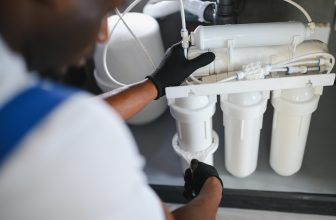
Description: These are the most common type of RO system for providing drinking water. They are installed in the cabinet beneath the kitchen sink. The system typically consists of several filter cartridges, the RO membrane housing, and a storage tank to hold a reserve of purified water. A dedicated faucet is usually installed alongside the main kitchen faucet specifically for dispensing the RO-filtered water.
Pros: Once installed, the system is largely hidden, preserving counter space. The dedicated faucet provides convenient access to purified water for drinking and cooking. These systems often offer a good balance of capacity (due to the storage tank) and flow rate suitable for typical family needs.
Cons: Installation is more involved than countertop models, requiring plumbing modifications (connecting to the cold water line, drain line, and installing the dedicated faucet). While some handy homeowners may tackle installation themselves, professional help is often recommended or required. The system components, particularly the storage tank, can consume a significant amount of valuable under-sink cabinet space. Filtration is limited to the single tap where the system is installed.
Family Considerations: This type is often the preferred choice for homeowners seeking a permanent, integrated solution for their primary drinking water source. Families need to carefully consider the available under-sink space and the implications of installation. The size of the storage tank should be chosen based on household size and peak water usage to avoid running out of purified water during busy times (e.g., meal preparation).
Countertop RO Systems: Convenience and Flexibility
Description: These systems sit directly on the kitchen counter. Designs vary: some connect via a diverter valve to the existing kitchen faucet, filtering water as it passes through; others are self-contained units with internal reservoirs that need to be filled manually; newer models may be tankless, filtering water on demand as it’s dispensed from the unit.
Pros: Installation is generally much simpler, often requiring no permanent plumbing modifications, making them ideal for renters or those hesitant to alter their plumbing. Some models are portable. They offer flexibility in placement (though access to power and potentially a water source/drain is needed depending on the model).
Cons: The most significant drawback is that they occupy counter space, which is often at a premium in busy family kitchens. Depending on the design, capacity and flow rate might be lower than under-sink models, potentially leading to waits if large volumes are needed quickly. Aesthetics can also be a concern for some. Models connecting to the faucet can be slightly cumbersome, and manually filled units require the regular chore of refilling the reservoir.
Family Considerations: Countertop units can be a good starting point or suitable for smaller families with lower water demands. Their ease of installation is attractive, but the trade-off in counter space must be carefully weighed. High-output tankless countertop models are emerging but may be more expensive. Manually filled units might become tedious for families with high water consumption. They could also serve well in a secondary location, like a home office or basement kitchenette.
Whole-House RO Systems: Comprehensive but Complex
Description: Also known as Point-of-Entry (POE) systems, these are installed where the main water line enters the home. They treat all water distributed throughout the house, including water used for bathing, laundry, toilets, and all faucets.
Pros: Provides RO-purified water to every tap and appliance in the home. Can protect plumbing and appliances from scale buildup if hard water minerals are removed (though specific pre-treatment is often required).
Cons: These systems are significantly more expensive to purchase and install compared to point-of-use (under-sink or countertop) systems. Installation is complex and invariably requires a professional plumber. They demand substantial space, typically in a basement, garage, or utility room, for the large membranes, storage tanks, and often necessary pre-treatment filters (e.g., water softeners, sediment filters). Whole-house RO systems generate a very large amount of wastewater because they treat water for non-potable uses like flushing toilets and washing clothes. A major consideration is that by removing chlorine (a disinfectant) from the entire home’s water supply, there is potential for bacteria to grow within the household plumbing pipes downstream from the filter.
Family Considerations: For most families whose primary concern is the quality of their drinking and cooking water, a whole-house RO system is generally considered excessive in terms of cost, complexity, water waste, and space requirements. The potential risk of bacterial growth in pipes after chlorine removal is a significant safety factor to consider. These systems are typically only considered in specific situations involving severe contamination issues affecting the entire water supply (e.g., very high levels of specific contaminants in well water) and where the budget, space, and tolerance for complexity are substantial.
RO System Types at a Glance for Families
To help summarize the key differences, the following table compares the three main types based on factors relevant to family decision-making:
| Feature | Under-Sink RO | Countertop RO | Whole-House RO |
|---|---|---|---|
| Primary Use | Drinking/Cooking (at dedicated tap) | Drinking/Cooking (from unit/faucet attachment) | All Taps & Appliances |
| Installation | Moderate-Complex (Pro Recommended/DIY possible) | Simple (Often DIY) | Very Complex (Professional Required) |
| Space Required | Significant Under-Sink Space (Tank & Filters) | Countertop Space | Large Utility Area (Garage/Basement) |
| Typical Capacity/Flow | Good for Families (Tank provides reserve) | Varies (Potentially Lower, Tankless improving) | Very High (Treats all incoming water) |
| Cost Range (Initial) | Mid | Low-Mid | Very High |
| Cost Range (Ongoing) | Mid (Filters) | Low-Mid (Filters) | High (Filters, Potential Pre-treatment, Maintenance) |
| Water Waste | Moderate-High (Improving w/ efficient models) | Varies (Manual fill = no waste; Faucet = Moderate) | Very High (Treats all water, including non-potable) |
| Pros for Families | Integrated, Hidden, Good Capacity/Convenience | Easy Install, Portable Option, Good for Renters | Comprehensive Treatment (All Taps) |
| Cons for Families | Installation, Under-Sink Space, Single Tap | Counter Space Use, Capacity/Flow Limits, Aesthetics | Extreme Cost, Complexity, Space Needs, High Waste, Pipe Bio-Risk |
| Best Suited For | Most Homeowners, Main Kitchen Use | Renters, Small Spaces, Lower-Medium Use Needs | Severe Water-Wide Issues, Large Budget/Space, High Complexity Tolerance |
Understanding these fundamental differences is the first step in narrowing down the options to the type of system that makes the most practical sense for a specific family’s lifestyle and home environment.
Key Features to Prioritize for a Family-Friendly RO System
Once a family has a general idea of whether an under-sink or countertop system (or, rarely, a whole-house system) is the best fit, the next step is to evaluate specific features. These details significantly influence the system’s day-to-day usability, effectiveness, long-term cost, and overall suitability for a busy household with children.
Ensuring Consistent Purity: Filtration Performance & Stages
The primary purpose of an RO system is purification. Look for systems that demonstrate robust performance:
- Multi-Stage Filtration: Effective RO systems don’t rely solely on the membrane. They employ a series of filters working together. A typical configuration includes:
- Sediment Pre-filter: Removes larger particles like dirt, sand, and rust, protecting the more delicate filters downstream.
- Carbon Pre-filter(s): Removes chlorine, chloramines, tastes, odors, and some organic compounds, protecting the RO membrane from chlorine damage.
- Reverse Osmosis Membrane: The core of the system, removing the vast majority of dissolved contaminants.
- Carbon Post-filter (Polishing Filter): Catches any residual tastes or odors that might remain after the membrane and storage tank.
- Membrane Quality and Rejection Rate: The quality of the RO membrane directly impacts how effectively it rejects contaminants. Manufacturers often state a “rejection rate,” typically expressed as a percentage (e.g., 95% TDS rejection). Look for systems with high, independently verified rejection rates for the contaminants of most concern to the family.
- Certifications as Proof: As discussed further in Section V, independent certifications from organizations like NSF International or WQA are the most reliable way to confirm a system’s filtration performance claims.
Keeping Up with Demand: Flow Rate and Capacity Needs
Families use water frequently – filling water bottles, cooking meals, making drinks. An RO system needs to keep pace:
- Flow Rate (GPD – Gallons Per Day): This rating indicates the maximum amount of purified water the system can produce in 24 hours under ideal conditions (specific pressure and temperature). While a household won’t use the full daily amount continuously, a higher GPD rating generally translates to faster water production and quicker tank refilling (for tank systems) or faster dispensing (for tankless systems). Families, especially larger ones, should look for systems with adequate GPD ratings to avoid bottlenecks during peak usage times.
- Storage Tank Size (Under-Sink): For under-sink systems with tanks, the tank stores a reserve of purified water, ready for immediate use. Common sizes range from 2 to 5 gallons. However, the actual usable water volume is less than the tank’s total volume due to the air pressure bladder inside needed to push water out. A larger family will likely benefit from a larger storage tank (e.g., 4-5 gallons) to ensure enough water is available during high-demand periods like meal times.
- Tankless Systems: An increasing number of under-sink and countertop RO systems are “tankless” or “direct flow”. These filter water on demand as the faucet is opened. They save significant under-sink space but often require higher incoming water pressure to function efficiently and may have a higher initial cost. Their flow rate is critical – ensure it’s sufficient for family needs (some modern tankless systems offer very high flow rates).
- Real-World Performance Factors: It’s crucial to understand that the manufacturer’s stated GPD is based on standardized test conditions. Actual performance in a home can be significantly affected by the household’s water pressure and water temperature. Lower water pressure or colder water (common with well water) will reduce the water production rate. If low water pressure is known or suspected (generally below 40 psi), consider an RO system equipped with a booster pump to ensure adequate performance.
Taste and Health: The Role of Remineralization
The thoroughness of RO filtration leads to a unique consideration: mineral content.
- Mineral Removal: The RO membrane is so fine that it removes not only harmful contaminants but also naturally occurring, potentially beneficial minerals like calcium and magnesium.
- Impact on Taste: This removal of minerals can result in water that tastes “flat,” “empty,” or slightly acidic compared to typical tap or mineral water. Taste perception varies greatly among individuals.
- Health Debate: While the vast majority of essential minerals are obtained through diet, some health professionals and consumers value the contribution minerals in drinking water make to daily intake. Some studies have suggested potential long-term health implications associated with consuming demineralized water, though this is debated.
- Remineralization Filters: To address taste preferences and potential health considerations, many modern RO systems now incorporate a final “remineralization” or “re-alkalizing” filter stage. After the RO membrane, water passes through this filter, which adds back small, controlled amounts of healthy minerals like calcium and magnesium salts.
- Alkalinity: This remineralization process also typically increases the pH of the RO water, making it less acidic and more alkaline. Some proponents believe alkaline water offers additional health benefits, although scientific evidence is still developing.
- Family Choice: Whether to choose a system with remineralization is largely a matter of personal preference regarding taste and individual health perspectives. Systems are available both with and without this feature. This technological addition directly addresses one of the historical criticisms of RO water, making it more appealing to a broader range of families.
Built for Families: Safety, Reliability, and Ease of Use
Practical features related to safety and convenience are paramount in a busy household:
- Child Safety Features: While less common, some systems might offer features like lockable dispenser taps or tamper-resistant filter housings, providing extra peace of mind if the system components are accessible to curious toddlers.
- Leak Detection/Prevention: Especially for under-sink systems, features like automatic water shut-off valves that activate if a leak is detected can prevent costly water damage and provide significant reassurance.
- Ease of Operation: The system should be straightforward to use. For under-sink models, this means an easy-to-operate dedicated faucet. For countertop models, dispensing should be simple and intuitive.
- Filter Replacement Indicators: This is a critical feature for families. RO systems only remain effective if filters are changed on schedule. Busy parents can easily lose track of maintenance intervals. Clear indicators – such as color-changing lights, timed alerts, digital displays, or even smart system monitoring via apps – provide essential reminders. Without timely filter changes, the system’s protective benefits are compromised, and water quality could potentially worsen.
- Reliability and Build Quality: Look for systems constructed from durable, high-quality materials (systems using NSF-certified components offer some assurance). Check manufacturer reputation and product reviews for insights into long-term reliability and potential issues. A robust warranty can also be an indicator of quality (see Section VI.C).
Living with the System: Noise, Space, and Kitchen Integration
Consider how the system will fit into the daily rhythm and physical space of the home:
- Noise Levels: RO systems can generate some noise during operation. This might include the sound of water filling the tank, the hum of a booster pump (if equipped), or the gurgle of wastewater going down the drain. In kitchens that are open to living areas, noise levels can be a factor. Look for models noted for quiet operation if this is a concern.
- Space Footprint: Accurately measure the intended installation space before purchasing. Under-sink systems require room for multiple filter housings and, crucially, the storage tank, which can be bulky. Countertop models consume surface area. Tankless RO systems generally offer a more compact footprint.
- Aesthetics and Integration: For countertop models, consider the unit’s design and how it will look in the kitchen. For under-sink systems, the primary visible element is the dedicated faucet. Many manufacturers offer faucets in various finishes (chrome, brushed nickel, bronze, etc.) to match existing kitchen hardware.
By carefully evaluating these features alongside the basic system type, families can select an RO system that not only delivers pure water but also integrates smoothly and reliably into their busy lives.
Trustworthy Filtration: Understanding Certifications (NSF, WQA)
In the crowded marketplace of water filters, manufacturers often make bold claims about their products’ performance. For families seeking reliable protection against specific health-related contaminants, independent, third-party certification provides crucial verification and peace of mind. Organizations like NSF International (formerly the National Sanitation Foundation) and the Water Quality Association (WQA) develop rigorous standards and test products to ensure they meet these benchmarks.
Why Independent Testing Matters
- Verification of Performance Claims: Certification moves beyond marketing promises. It signifies that a product has been rigorously tested by an accredited independent laboratory according to specific protocols defined by the standard. If a system claims to reduce lead, for instance, certification confirms it has successfully done so under controlled test conditions.
- Ensuring Material Safety: Certification doesn’t just evaluate contaminant removal. It also assesses the materials used in constructing the water filter system itself. This ensures that the components (plastics, seals, tubing, etc.) are safe for contact with drinking water and will not leach harmful chemicals back into the purified water.
- Building Consumer Confidence: Especially when dealing with products intended to protect children’s health, objective validation is essential. Certification marks like the NSF or WQA Gold Seal provide consumers with confidence that the system performs effectively and safely as advertised. It helps distinguish reputable products from those with unsubstantiated claims.
Decoding Key Certifications Relevant to Health
Several NSF/ANSI standards are particularly relevant for evaluating RO systems intended for family use. Seeing these certifications listed on product packaging or literature indicates specific performance capabilities:
NSF/ANSI Standard 58: Reverse Osmosis Drinking Water Treatment Systems
This is the primary standard specifically for RO systems. Certification to Standard 58 verifies several key aspects:
- TDS Reduction: Confirms the system effectively reduces Total Dissolved Solids.
- Contaminant Reduction Claims: Tests for the reduction of specific contaminants if the manufacturer makes such claims under this standard. Common examples include cysts (Cryptosporidium, Giardia), barium, hexavalent and trivalent chromium, lead, arsenic V, cadmium, fluoride, and nitrate/nitrite.
- Efficiency Rating: Measures how much water is sent to drain for each gallon of treated water produced (recovery rating).
- Structural Integrity: Ensures the system is built to withstand typical household water pressures.
- Material Safety: Confirms materials are safe for drinking water contact.
NSF/ANSI Standard 53: Drinking Water Treatment Units – Health Effects
This standard certifies that a system reduces specific health-related contaminants that have established health effects based on EPA or Health Canada regulations. This is arguably the most critical standard for families concerned about specific risks. Contaminants certified under Standard 53 can include:
- Lead: Crucial for protecting children’s neurological development.
- Mercury: Another heavy metal with neurological effects.
- Asbestos: Can enter water from degrading pipes.
- Cysts: Giardia and Cryptosporidium, which cause gastrointestinal illness.
- Volatile Organic Compounds (VOCs): A range of industrial chemicals.
- PFOA/PFOS: Increasingly important as concerns about these “forever chemicals” grow.
A system certified to Standard 53 for lead reduction has demonstrably proven its ability to remove this specific, high-priority contaminant.
NSF/ANSI Standard 42: Drinking Water Treatment Units – Aesthetic Effects
This standard addresses non-health related, aesthetic issues. Certification confirms the system reduces substances that affect water’s taste, odor, and appearance, such as:
- Chlorine: The most common reason for unpleasant taste and odor in municipal tap water.
- Particulates: Cloudiness or visible specks.
- Taste and Odor: General improvement in palatability.
NSF/ANSI Standard 401: Emerging Compounds/Incidental Contaminants
This standard addresses the reduction of up to 15 specific emerging contaminants – pharmaceuticals, over-the-counter medications, herbicides, pesticides, and chemicals like BPA – that may be found in drinking water at trace levels. While not yet subject to mandatory EPA regulation, many health-conscious consumers seek to reduce exposure to these compounds.
WQA Gold Seal Certification:
The Water Quality Association offers its Gold Seal certification program. Products bearing this mark have been tested and certified by WQA to meet industry standards, which often align with or are equivalent to the NSF/ANSI standards mentioned above. It provides a similar level of assurance regarding product performance, safety, and durability.
EPA WaterSense Label:
Specific to water efficiency, the WaterSense label is awarded by the EPA to point-of-use RO systems that meet stringent criteria for minimizing water waste. To earn the label, systems must demonstrate a high recovery rate (sending less water to the drain per gallon treated) without compromising filtration performance. Choosing a WaterSense labeled model helps conserve water and can reduce water bills. This addresses the historical concern about RO water waste.
Guidance for Parents: When selecting an RO system, look for certification marks on the product or its packaging. Critically, check which specific standards the system is certified against and, particularly for Standard 53 and 58, which specific contaminants the certification covers. This allows families to match the system’s proven capabilities to their primary water quality concerns (e.g., ensuring NSF/ANSI 53 certification for lead reduction if lead is the main worry).
Beyond the Purchase: Long-Term Costs, Maintenance, and Value
Selecting an RO system is an investment in a family’s health and well-being, but the initial purchase price is just one part of the equation. Understanding the ongoing costs, maintenance requirements, water usage, and overall durability is essential for making a sustainable choice and ensuring the system provides consistent value over its lifespan.
Budgeting for Clean Water: Filter Lifespan and Replacement Costs
- Initial vs. Ongoing Costs: While comparing the upfront cost of different RO systems is important, families must also factor in the recurring expense of replacement filters. These costs can vary significantly between models and brands.
- Filter Lifespan and Replacement Frequency: RO systems utilize multiple filters, each with a different expected lifespan.
- Pre-filters (Sediment, Carbon): Typically need replacement every 6 to 12 months, depending on usage levels and the quality of the incoming tap water.
- RO Membrane: This is the most expensive component to replace but generally lasts longer, typically 1 to 3 years or more, again influenced by water quality and usage.
- Post-filter (Carbon Polishing / Remineralization): Usually replaced every 6 to 12 months.
- Calculating Annual Cost: Before purchasing, research the cost of replacement filter packs for the models being considered. Calculate the estimated annual filter cost based on the recommended replacement schedule. A system with a lower initial price might end up being more expensive over time if its filters are costly or need frequent replacement.
- High Usage Impact: Families naturally use more water than smaller households. This higher throughput means filters may reach their capacity and require replacement closer to the shorter end of their recommended lifespan range. Budgeting based on more frequent replacement (e.g., every 6 months for pre/post filters) might be prudent for a busy family.
Water Efficiency: Understanding Reject Water Rates
- The Nature of RO Waste: The reverse osmosis process inherently separates incoming water into two streams: purified water (permeate) and wastewater carrying the rejected contaminants (concentrate or brine). This wastewater goes down the drain.
- Efficiency Ratios: The efficiency of an RO system is measured by its recovery rate – the ratio of purified water produced to wastewater generated. Older or less efficient systems might waste 5, 10, or even more gallons of water for every gallon of purified water produced. This can significantly impact water consumption and utility bills.
- Modern Efficiency Improvements: Recognizing water waste as a major drawback, manufacturers have developed more efficient systems. Look for systems with better efficiency ratios. The EPA’s WaterSense label specifically identifies point-of-use RO systems that meet high-efficiency standards, typically achieving ratios of 2.3:1 (wastewater to purified water) or better. Choosing an efficient model not only conserves a precious resource but also minimizes the impact on water bills. This technological advancement makes modern RO systems a more environmentally and economically viable option.
Durability, Warranty, and Support
An RO system should provide reliable service for many years.
- System Lifespan: With proper maintenance (regular filter changes), a quality RO system can typically last 10 to 15 years. However, individual components like the storage tank, faucet, or booster pump (if applicable) might have shorter lifespans and could require replacement sooner.
- Warranty Coverage: Pay close attention to the manufacturer’s warranty. Check the duration (1 year, 3 years, limited lifetime?) and precisely what components are covered (membrane, filters, tank, faucet, electronics?). A longer, more comprehensive warranty can indicate the manufacturer’s confidence in the product’s durability and potentially save on future repair costs.
- Customer Support: Consider the manufacturer’s reputation for customer service and technical support. Should issues arise or replacement parts be needed, accessible and helpful support can be invaluable. Researching online reviews or forums can sometimes provide insights into other users’ experiences with a company’s support.
- Long-Term Value: The true value of an RO system lies in the combination of its initial cost, ongoing operating expenses (filters, water usage), effectiveness in removing contaminants, durability, and the peace of mind it provides. A slightly more expensive system upfront might offer better long-term value if it’s more efficient, has longer-lasting filters, or comes with a superior warranty.
Making Maintenance Manageable for Busy Parents
Consistent maintenance is non-negotiable for ensuring an RO system performs effectively and safely. Features and practices that simplify this process are crucial for busy families.
- Ease of Filter Changes: Look for systems designed with user-friendliness in mind. Features like twist-off/quick-connect filter cartridges that don’t require special tools or shutting off water lines make the replacement process much faster and less daunting. If filter changes are complicated or time-consuming, they are less likely to be performed on schedule.
- Clear Instructions and Reliable Reminders: The system should come with clear, easy-to-understand instructions for filter replacement. As mentioned earlier, reliable filter change indicators (lights, beeps, app notifications) are essential reminders for busy households. Setting calendar alerts or phone reminders when new filters are installed is also a good backup strategy.
- Adhering to the Schedule: Create a simple maintenance log or schedule and stick to it. Timely filter replacement is the single most important factor in maintaining the system’s contaminant removal effectiveness and ensuring the continued safety of the water. Delaying changes compromises the protection the system is meant to provide.
- Periodic Sanitization: Most manufacturers recommend sanitizing the RO system periodically (e.g., annually or whenever filters are changed) to prevent any potential buildup of bacteria within the system components, particularly the storage tank. Follow the manufacturer’s specific instructions for this process.
By considering these long-term factors – costs, efficiency, durability, and ease of maintenance – families can choose an RO system that not only meets their immediate needs but also proves to be a practical and valuable addition to their home for years to come.
Your Family’s RO Roadmap: A Summary Guide to Choosing
Navigating the options for Reverse Osmosis systems can feel complex, but by focusing on the specific needs and priorities of your family, the decision becomes much clearer. This final section provides a roadmap to help synthesize the information and guide the selection process.
Matching System Type and Features to Your Household
The “best” RO system is the one that best fits your unique situation. Consider these key factors and how they point towards certain system types or features:
- Household Size & Water Usage: Larger families with high water consumption (multiple people filling bottles, frequent cooking) generally need systems with higher GPD ratings and, for under-sink models, larger storage tanks to meet peak demand. Tankless systems must have a sufficiently high flow rate.
- Age of Children (Especially Infants): If you have an infant, particularly one consuming formula, the stakes for water purity are highest due to their vulnerability and potential for high lead exposure from water. Prioritizing NSF/ANSI 53 certification for lead removal is critical. Remineralization might also be considered for taste when mixing formula.
- Budget (Initial & Ongoing): Determine a realistic budget for both the upfront system cost and the recurring annual filter replacement costs. Countertop systems often have lower initial costs, while under-sink systems vary. Factor in potential installation costs for under-sink models.
- Available Space: Measure carefully! Under-sink systems require significant cabinet space, especially with larger tanks. Countertop models consume valuable counter real estate. Choose the type that fits comfortably in your kitchen layout.
- Installation Capability & Home Ownership: Renters or those uncomfortable with plumbing modifications will likely lean towards countertop models due to their ease of installation and lack of permanent changes. Homeowners have more flexibility to install under-sink systems.
- Primary Water Concerns: Identify the main reasons for seeking filtration. Is it specific contaminants like lead or nitrates (especially from well water)? General purity? Taste and odor? This will guide the necessary certifications (e.g., NSF/ANSI 53 for specific health contaminants, NSF/ANSI 42 for aesthetics).
- Taste Preferences: Do you prefer the taste of very pure, demineralized water, or water with some mineral content? This determines whether a system with a remineralization stage is desirable.
- Water Efficiency Goals: If conserving water and minimizing utility costs is a priority, look specifically for high-efficiency models, particularly those bearing the EPA WaterSense label.
Scenario-Based Guidance Examples:
- Family with Infant (Formula Fed), Homeowner, Moderate Budget: An Under-Sink RO system is likely the best fit. Prioritize NSF/ANSI 53 certification for lead removal. Consider a model with remineralization for potentially better taste when mixing formula. Ensure adequate tank size (e.g., 4-gallon) and look for clear filter change indicators.
- Renter Family, Small Kitchen, Lower Budget: A certified Countertop RO system is a strong contender. Look for NSF/ANSI 53 and/or 58 certification. Carefully weigh the counter space requirement against the convenience of a faucet-connected model or the chore of a manual-fill unit. Check the flow rate/output to ensure it meets basic needs.
- Large Family, High Water Usage, Homeowner: An Under-Sink RO system with a high GPD rating and a large storage tank (e.g., 5-gallon) is recommended. Prioritize water efficiency (WaterSense label) to manage water waste. Look for systems known for easy, tool-free filter changes to simplify maintenance.
- Family on Well Water in Agricultural Area: An Under-Sink RO system is generally necessary for capacity and performance. NSF/ANSI 58 certification for nitrate reduction is crucial, along with NSF/ANSI 53 if other contaminants like arsenic or pesticides are concerns. Test well water pressure and temperature; consider a system with a booster pump if pressure is low (<40-50 psi) to ensure adequate performance. Pre-treatment (like a water softener or sediment filter) might be necessary depending on overall well water quality.
Final Checklist for Confident Decision-Making
Before making a final choice, run through this checklist:
- Have you checked your local water quality report and considered potential sources of contamination within your own home’s plumbing (like lead pipes)?
- What are your family’s primary water quality concerns (e.g., Lead, Nitrates, PFAS, Taste, General Purity)?
- Which system type (Under-Sink, Countertop) best aligns with your available space, budget, installation preference, and home ownership status? (Whole-house is rarely the primary choice for drinking water).
- Does the system offer sufficient capacity (tank size) and flow rate (GPD) to meet your family’s daily water needs without undue waiting?
- Is the system independently certified (NSF/ANSI, WQA) to remove the specific contaminants you are most concerned about? (Look for Standard 58 for RO performance and Standard 53 for key health contaminants like lead and cysts).
- Have you researched and budgeted for the ongoing cost of replacement filters and considered the ease of performing filter changes?
- Does the system offer remineralization, and is that a feature you prefer for taste or health reasons?
- How important is water efficiency? If very important, does the system have a good efficiency ratio or a WaterSense label?
- Have you reviewed the manufacturer’s warranty coverage and considered their reputation for customer support?
- Does the system include user-friendly features like leak detection (for under-sink) and reliable filter change indicators?
Choosing the right RO system requires careful consideration, but it is an achievable goal. By understanding the technology, comparing the system types, prioritizing key features relevant to family life, verifying performance through certifications, and accounting for long-term costs and maintenance, parents can confidently select a solution. Investing in an appropriate RO system provides not just cleaner, safer, and better-tasting water, but also invaluable peace of mind, knowing you are taking a proactive step to protect your family’s health and well-being.